







Mental Health Matters: 5 Powerful Ways to Reduce Anxiety Fast
Introduction
Mental Health Matters: 5 Powerful Ways to Reduce Anxiety Fast.By now, you’ve probably scrolled past a hundred “10 Tips to Beat Anxiety” articles. You’ve clicked. You’ve read. You’ve felt that flicker of hope then the familiar weight settles back in.Because here’s the truth no one tells you:
Anxiety doesn’t care how many self-help books you own. It doesn’t care if you meditated yesterday. It doesn’t care if you’re “supposed to” be okay.
It only cares if you’re still breathing.And right now whether you’re sitting at your desk with a clenched jaw, lying awake at 3 a.m. replaying a conversation from three weeks ago, or scrolling through your phone while tears silently roll down your cheeks you’re still breathing.That’s not weakness.
That’s courage.And if you’re reading this, it means you’re ready not for another quick fix but for real relief. Not tomorrow. Not next week. Now.This isn’t just another listicle. This is your invitation to reclaim your peace. To remember what true health feels like not as a destination, but as a daily, tender practice.Let’s begin.
Table of Contents
1. The 4-7-8 Breath: Your Secret Weapon Against Panic (No Equipment Needed)
You don’t need a subscription.You don’t need an app.You don’t even need to leave your chair.You just need to breathe.The 4-7-8 breathing technique isn’t new. But it’s been buried under a mountain of overcomplicated wellness trends. And yet, science confirms it: this simple method can lower your heart rate, reduce cortisol levels, and activate your parasympathetic nervous system the part of your body that says, “It’s safe to relax now.”Here’s how:
Inhale quietly through your nose for 4 seconds.Hold your breath for 7 seconds.Exhale slowly through your mouth for 8 seconds, making a soft whooshing sound.Repeat this cycle three to four times.That’s it.And if you think, “I’ve tried breathing exercises they don’t work for me” I get it. You’re not broken. You’re just trying to force calm when your nervous system is screaming.So here’s the shift: don’t try to “stop” anxiety. Don’t fight it. Don’t judge yourself for feeling it.Instead, breathe with it.
Let the breath be your anchor. Not a cure. Not a magic wand. Just a quiet, steady presence.
When you do this even once you’re not just reducing anxiety. You’re reminding your body: I am here. I am safe. I am not alone.That’s the essence of health.

2. The 5-Minute “Grounding” Ritual That Stops the Mental Spin (Used by Therapists Everywhere)
Anxiety doesn’t live in the past. It doesn’t live in the future.It lives in the noise between.The runaway thoughts. The catastrophic “what ifs.” The voice whispering, “You’re not enough.”That’s why grounding the practice of bringing your awareness back to your five senses is one of the most powerful, immediate tools for mental health.Here’s the 5-4-3-2-1 method, refined for real life:
5 things you can SEE; The way sunlight hits your coffee mug. The texture of your sweater. The green of a plant on your windowsill.
4 things you can TOUCH;The cool metal of your watch. The softness of your pillow. The weight of your phone in your palm.
3 things you can HEAR; Distant traffic. The hum of the fridge. Your own breath.
2 things you can SMELL; Lavender soap. Fresh air through an open window.
1 thing you can TASTE; The lingering mint of toothpaste. The bitterness of your tea.
Do this slowly. Deliberately.
Don’t rush. Don’t perform. Just notice.This isn’t mindfulness theater. It’s neuroscience.When you engage your senses, you pull your brain out of the spiral of fear and into the present moment the only place where peace actually lives.And here’s the secret:
You don’t need 30 minutes. You don’t need a yoga mat. You don’t need to “get better” before you deserve calm.You just need five minutes. One breath. One sensory detail.That’s how health begins not with grand gestures, but with tiny, tender acts of presence.
3. The “Worry Window”: A Counterintuitive Trick That Actually Works (Yes, Really)
Here’s something most people don’t tell you: Trying to stop worrying doesn’t work.In fact, the more you try to suppress anxious thoughts, the louder they become.So instead of fighting them give them a home.Enter: The Worry Window.This is a technique used by cognitive behavioral therapists and proven to reduce obsessive thinking by 60%+ in clinical studies.Here’s how to do it:
Set a timer for 10 minutes.During that time, write down every anxious thought that comes up with no filter.When the timer ends, close the notebook.For the rest of the day, if another worry pops up, say: “I’ll save that for my Worry Window.”
It sounds absurd. I know.
But here’s what happens:Your brain realizes: “Oh. I don’t have to panic right now. I have time for this.”
The urgency drains.The thoughts lose their power.You stop feeding the beast.And after a few days? You’ll notice something beautiful:
The worries don’t disappear.But you do.You become the calm observer not the prisoner.And that’s the heart of true health: not eliminating fear, but no longer letting fear run the show.
You are not your thoughts.You are the space between them.And that space?It’s sacred.
4. The “One-Minute Movement” That Rewires Your Nervous System (No Gym Required)
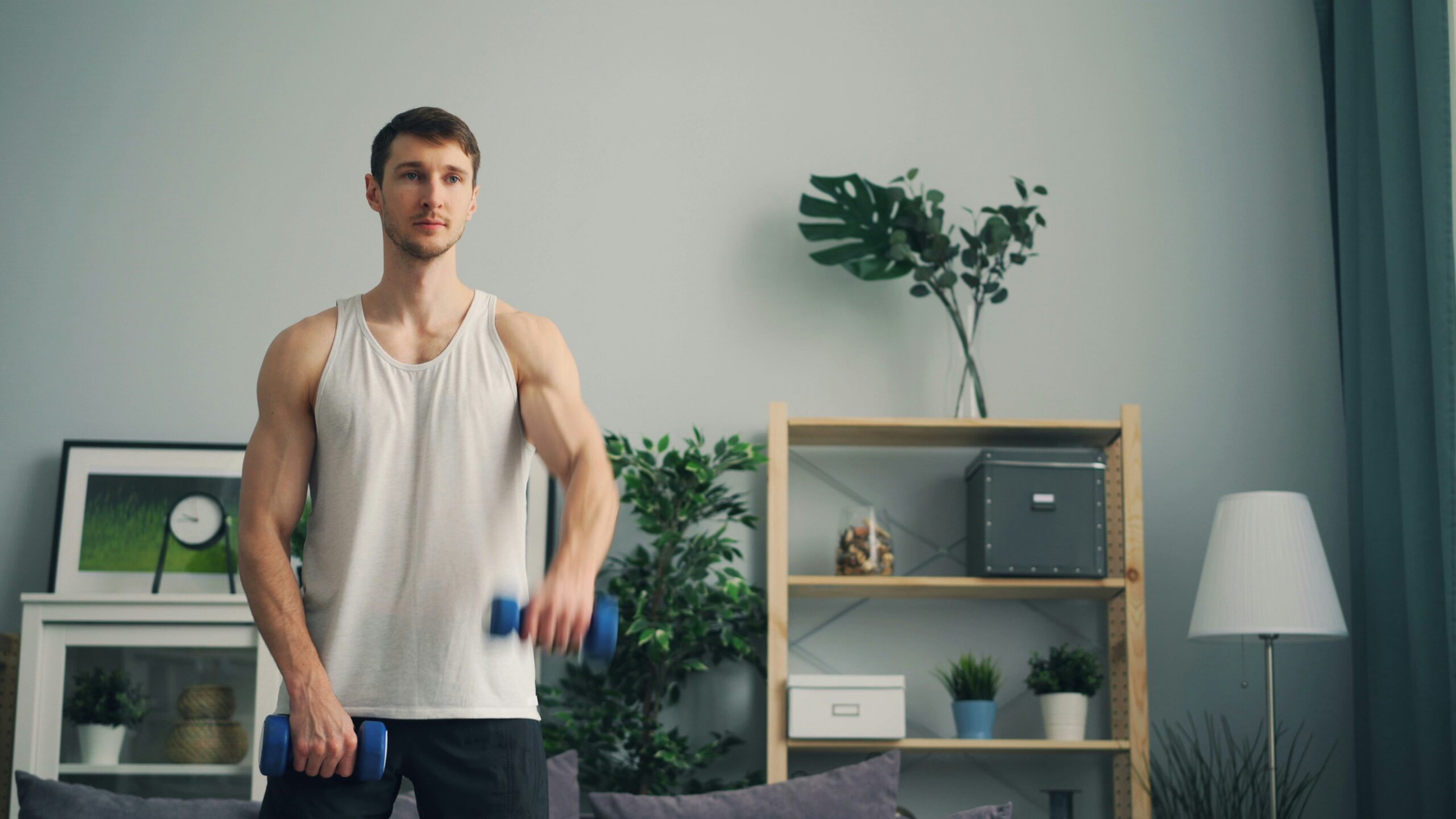
Anxiety lives in the body.It tightens your shoulders. Clenches your stomach. Shortens your breath.And yet, so many of us treat mental health like it’s purely a mind problem.It’s not.Your nervous system doesn’t care about affirmations if your body is still in fight-or-flight mode.That’s why movement even tiny, intentional movement is one of the most underused, powerful tools for mental health.Here’s your prescription:
Stand up.Right now.Roll your shoulders back three times.Stretch your arms overhead like you’re reaching for the sky.Shake out your hands like you’re flicking off water.Take three slow, deep breaths.That’s it. One minute.But here’s what happens:Your vagus nerve, the superhighway between your brain and your body, gets stimulated.
Your cortisol drops.Your heart rate steadies.Your mind gets a signal: We’re not in danger. We’re okay.You don’t need to run a marathon. You don’t need to join a yoga class. You don’t need to “get fit.”
You just need to move gently, kindly like you’re caring for someone you love.Because you are.And that’s what health looks like: Not a six-pack.Not a perfect morning routine.But the daily choice to treat your body with tenderness even when you’re falling apart.
5. The “Permission Slip” That Changes Everything (And Why You Deserve It)
Here’s the most radical thing I can tell you today: You don’t have to fix yourself to be worthy of peace.Let that sink in.You don’t have to be “better.”You don’t have to be “calmer.”You don’t have to meditate every day or journal or delete social media or “get over it.”You just have to be here.Right now.With your silent tears.That’s enough.This is where most people get stuck in the belief that healing is a performance. That if they’re not “progressing,” they’re failing.
But true health isn’t linear.It’s messy.It’s two steps forward, one step back.It’s crying in the shower, then laughing at a dumb meme five minutes later.It’s showing up even when you’re broken.
Because the most powerful antidote to anxiety isn’t a technique.It’s self-compassion.It’s the quiet voice inside that says:“It’s okay.I’ve got you.”That voice? That’s your health.Not the Instagram version.Not the curated version.But the real, raw, beautifully imperfect version is the one that shows up even when it’s hard.
Final Thought: You Are Not Alone
If you’re reading this and you’re feeling it the heaviness, the exhaustion, the quiet loneliness I want you to know:
You are not alone.Millions of people are reading this right now.Someone in a different time zone.Someone in a different country.Someone who’s also lying awake, wondering if they’re failing.
But here’s the miracle: You’re not failing.You’re breathing.And that’s enough.You are enough.Your health isn’t measured in productivity, perfection, or progress.
It’s measured in presence.In the moments you choose to return to yourself.And if you’ve made it this far?You’ve already begun.Keep going.One breath.One moment.One day.You’ve got this.And I’m right here with you every step of the way.
1. Why is mental health important?
It affects how you think, feel, and act daily, influencing your ability to handle stress, connect with others, and make decisions.
2. How can I improve my mental health daily?
Practice small habits like mindful breathing, staying active, connecting with loved ones, and getting enough sleep.
3. When should I seek help for my mental health?
If feelings of sadness, anxiety, or overwhelm interfere with daily life, reaching out to a professional can make a big difference.