







Health Overwhelm? 6 Surprising Fixes That Actually Work

. Let’s be honest. Thinking about your health can be downright exhausting.
It’s not just about being sick. There is a constant noise. There’s a new superfood posted on social media that you have to eat. News alerts about the latest fitness trend. Well-intentioned advice from friends and family. You keep postponing the doctor’s reminder for a check-up. The inner monologue that whispers: “You should do more for your health“.
This feeling has a name: health overwhelm. It’s that paralyzing feeling where the goal of getting “well” seems so big, so complicated, and so all-consuming that you can’t seem to get anything done. You know your health is important, but the road to get there is filled with so many confusing signs that you just sit at the crossroads and give up.
Good news? You are not alone in this. And even better news? The solution is not about trying harder. It’s about trying something different. Admittedly, lasting health is not found in drastic changes; It is woven into the fabric of your daily life through small, surprising, and deeply human changes.
Forget rigid, punishing routines. Let’s talk about six really practical solutions that respect your time, your energy and your sanity. It’s about making your health a gentle priority, not a source of stress.
Table of Contents
1. The “One-Bite” Mindset: Redefining the Healthy Meal
We’ve been sold a lie: that every meal should be a perfectly balanced, Instagram-worthy plate. If it’s not, we suppose, “Well, I’ve already failed, so I may as well order the pizza.” This all-or-not wondering is a primary driver of health crush.
The Surprising Fix: Abandon the concept of the “best” meal. Instead, adopt the “One-Bite” attitude. Your simplest intention is to add one unmarried bite of something useful for your health to something you’re already consuming.
Did you just make a frozen pizza? Great. Before you have your first slice, consume one chunk of a handful of toddler carrots or one cherry tomato. Having a burger and fries? Eat one unmarried chew of an apple first. Making a creamy pasta? Toss one single chew’s worth of frozen spinach into the sauce.
Why This Works for Your Health:
This approach is powerful for your psychological and physical health for numerous reasons. First, it’s impossibly easy. There is no strength of will required to eat one bite of a vegetable. You get rid of the intellectual war before it even starts offevolved. Second, it builds a superb identification. Instead of “I failed at eating healthfully,” you finish every meal questioning, “I did something good for my health.” These small wins construct momentum. Over time, one chunk becomes two. Two bites emerge as a small facet salad. This is how lifelong behaviors that aid your health are built, no longer through pressure, but via gentle, regular nudges.
2. Schedule “Worry Time” for Your Health

It seems counterintuitive, but one of the best things you can do for your health anxiety is to give it a dedicated time slot. When thoughts about your health pop up at 11 pm or during a work meeting, they fuel the panic cycle. You either brood over them, lose sleep and focus, or you push them down, where they grow into a hideous monster.
Then, when Thursday comes around 5 p.m., you sit down with the blade and tear it open. Write down every fear, every question, every “what if.” Don’t go back. When the 15 minutes are up, close the journal and put it away. You consciously decide that the time for worry is over.
Why it works for your health:
This exercise does wonders for your mental health. There is chaos in it. This teaches your brain that there is a time and a place for these worries, so it doesn’t need to sound the alarm 24/7. This can dramatically improve sleep, which is a cornerstone of physical health. Furthermore, by writing these thoughts down, you will often find that they lose their power. You may also notice patterns or ask your doctor clarifying questions, which can lead to a more productive conversation about your health.
3. Make Water the Easiest Choice

You understand you ought to drink more water. But if the best water in your own home is from the kitchen tap, and you’re working in your property workplace, you’re far less likely to arise. The barrier, however small, is enough to stop you. Good hydration is fundamental to your health, but it often gets misplaced in the shuffle.
The Surprising Fix: Create “water stations” for your existence. This is ready strategic laziness. Don’t rely on willpower; depend on layout.
At your desk: Always have a complete, large bottle or glass of water right next to you. Make it a rule: while it’s empty, you replenish it at once.
By your mattress: Place a pitcher of water on your nightstand. The first aspect you do while you awaken is take a sip. This easy act kick-starts your hydration for the day, helping every gadget on your frame.
In your vehicle: Keep a sealed bottle of water inside the cup holder. (No, it’s not for emergencies; it’s for proper now, when you’re stuck in traffic and feel thirsty.)
Why This Works for Your Health:
When water is the most handy choice, you may pick it. Proper hydration is non-negotiable for good health. It aids digestion, improves pores and skin wellness, lubricates joints, facilitates cognitive function, and regulates body temperature. By disposing of the friction, you effortlessly enhance a crucial aspect of your overall health without adding another venture for your mental to-do list.
4. The 5-Minute “Nothing” Walk
When we think of exercise for our wellness, we imagine hour-long training sessions, special clothes, and sweat. It looks like a production. When you’re already overwhelmed, the idea of ”working out” can feel like a huge task.
Surprising solution: Go for a five-minute walk without a goal. Call it your “nothing walk”. No step counting. No speed. You don’t even need to change clothes. Just go outside (or walk around your house) for five minutes. Your only job is to move your body gently. That’s it. You cannot fail.
Why it works for your health:
The benefits of this small habit for your overall wellness are huge. First, it breaks the cycle of inactivity without the pressure of a “real” workout. Second, it is a powerful stress reliever. Taking a short walk can lower cortisol levels, clear your mind, and change your perspective. This directly supports your mental health. Third, it often creates a positive ripple effect. You will find that after five minutes, you want to walk for six minutes. Or you may feel more energetic to tackle housework. This small dose of activity reminds your body that activity feels good, which is a fundamental principle of lasting physical wellness.
5. Connect Your Health to Someone Else’s
Our health can feel like a very selfish, isolated endeavor. “I need this done for me.” But sometimes “for me” isn’t such a strong motivator when you’re feeling depressed. Tapping into our basic human need for connection can be a game-changer.
Fantastic solution: Link a simple wellnesshabit to social interaction. It’s not about finding a training buddy (which can be a source of pressure in itself), but about something much simpler.
Call your parents or a friend during the five-minute ‘nothing trip’.
Why it works for yourwellness:
This strategy brilliantly redefines the activity. You are no longer just “running for your health”; You “hold Sarah. You are not just “drinking water”; You “participate in a small, shared joke with a colleague”. Social connection adds positive feelings to the wellness habit, making it more likely that you will do it. It increases your emotional and mental wellness, as well as supporting your physical wellness, creating a beautiful, self-reinforcing cycle.
6. Practice “Good Enough” Sleep
The desire for complete sleep may be what keeps you awake. You track your cycles, worry about blue light, and get stressed if you don’t get the full eight hours. This sleep-related performance anxiety is terrible for your wellness.
Incredible solution: Let the numbers go. Instead of focusing on eight hours, focus on making your sleep environment and routine “good enough.” Your goal is not to achieve perfect sleep, but to create conditions where good sleep is more likely to occur. This change is important for your long-term health.
The 15-minute rule: If you’ve been in bed for 15-20 minutes and can’t fall asleep, don’t bother lying there. Ladder. Go into another room and do something quiet and boring in dim lighting: read a physical book (no screens!), listen to light music, or just sit and breathe. Return to bed only when you feel tired.
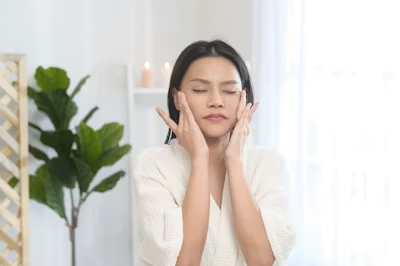
Focus on the ritual: Create a simple, 10-minute taper before bed that has nothing to do with performance. This might involve washing your face, brushing your teeth, and then reading a few pages of a novel – not necessarily for better sleep, but a great way to end the day.
Why it works for your health:
This approach reduces the pressure that impairs your comfort. By shifting the focus away from the result (hours of sleep) and onto the process (a calm routine), you allow your body’s natural desire for sleep to take over. Reducing sleep-related anxiety is one of the most effective things you can do for your mental wellness.
7. Your Health is a Garden, Not a Machine
We frequently treat our wellness like a gadget that needs solving—find the broken component, observe the proper tool, and it should work perfectly. This is a recipe for weighing down. Machines are complex; however, they have a finite number of components.
A higher metaphor is a garden. Your fitness is a residing, breathing, dynamic environment. You can’t force a plant to develop by pulling on it. You can handiest create the conditions for it to thrive: right soil, constant water, and masses of sunshine.
These six fixes aren’t equipped for fixing a system. They are practices for tending your garden. A “one-chew” of a vegetable is like adding a nutrient to the soil. A “nothing stroll” is like letting in a bit of sunshine. Scheduling “fear time” is like weeding out the mind that chokes your peace.
Be mild with yourself. Start with just these kinds of sudden fixes. Tend to your fitness with endurance and consistency, not with pressure and frustration. Over time, you may find that the overwhelm recedes, and in its place grows a quiet, sustainable self-assurance in your capacity to take care of the only frame and mind you’ve got. That is the last intention of a healthy life.
1. What causes health overwhelm?
Health overwhelm often stems from information overload, conflicting advice, too many wellness trends, or feeling pressured to “optimize” every aspect of your health overnight. It’s not your fault—our digital world bombards us with noise, not clarity.
2. Can small changes really reduce health stress?
Absolutely. Tiny, consistent shifts—like a 5-minute breathing ritual or swapping one processed snack for a whole food—build confidence, reduce decision fatigue, and restore a sense of control without burnout.
3. How do I know if I’m overdoing “healthy living”?
If your wellness routine causes anxiety, guilt, or social isolation, it may be doing more harm than good. True health includes peace of mind, joy, and balance—not perfection.