






Health 8 Simple Systems That Make Long-Term Safety Easy

What if the goal was never the goal? True health isn’t a finish line—it’s the quiet rhythm of your days: the way you walk when no one’s watching, the way you breathe when you’re tired, the way you choose comfort over guilt. It’s not about becoming someone else. It’s about getting back to the body you already have, and learning to treat it as a lifelong companion – not a project to fix.
The magic is not in the big movements. It’s in the system—small, invisible habits that run as background software in your life. Not “I’m going to the gym five times a week”, but “I’m going to get up and stretch every time I finish”. Not “I’m going to eat everything”, but “I always have fruit on the counter, so that’s the first thing I reach for”. These are not battles of wills – these are design choices. They remove the friction between knowing what’s good for you and actually doing it. When your environment, your routines, your rituals become still in line with well-being, the right choices stop feeling like sacrifices. They start to feel at home.
It’s not about being perfect health. It’s about being predictable – with yourself. One gentle habit, repeated daily, builds more resilience than hundreds of all-or-nothings. You don’t need to make big changes in your life. All you need is a little something to make it easier the old fashioned way. Maybe it’s drinking water before coffee. Maybe you have to take three deep breaths before checking your phone in the morning. Maybe it does a squat once.
Table of Contents
1. The Hydration First-Aid System: Water as Your Foundation
Think of it as the quiet rumble of a well-tuned engine: you only notice when things start to stick, ache or feel heavy. When you’re hydrated, your joints glide instead of grinding, your mind clears without caffeine, your skin softens, and even your mood stabilizes. This is not magic. This is biology, happening slowly, in the background – just waiting for you to stop ignoring it and start showing up slowly, compassionately.
Start where you are. Before your morning coffee, take a break long enough to drink a full glass of water. Not because you should, but because it feels like a gift to you, the first gentle act of the day.
Leave a bottle where your eyes naturally go: on your bedside table when you wake up, near your laptop when you’re working, in your car when you’re driving. You don’t have to remember. You just have to see it. And what if you slip? Let the phone ring once an hour – not as a feeling of guilt, but as a friend who says with a gentle smile: Hi, you’re fine. Just take a sip. no pressure. No calculations. Just pause, take a breath and take a gulp.

Some days you will drink as you please. Other days you forget until 15. — and then, quietly, you pour yourself a glass and drink slowly, as if thanking your body for carrying you. And that’s enough. You don’t chase perfection. You develop presence. Within a few weeks, you’ll notice small changes: less fog in the afternoon, less puffiness, skin that looks like it’s softly lit from within. You don’t want to feel “stagnant”. You will just feel lighter. Calm. More at home in your own skin. This is not a health hack. This is the quiet, enduring kind of care—the kind that doesn’t require influence.
2. The Plate Principle System: Eating Without the Stress
Let’s be real – health hack nutrition advice can feel like language written in code: macros, micros, keto, paleo, clean eating, fasting windows… it’s exhausting. You are not trying to become a nutritionist; You’re just trying to eat something that won’t make you sluggish, bloated or guilty by 8pm. The plate principle asks you not to remember anything. It simply asks you to look down at your plate and see it as three simple, natural parts. half? Colorful, crunchy, earthy things: broccoli, spinach, bell peppers, carrots—things that don’t need any labels. a quarter of an hour?
Something that keeps you together: chicken, fish, beans, tofu – foods that give you strength, not just calories. And the last quarter? Something warm and earthy: sweet potatoes, brown rice, quinoa – food that comforts, not energizes. No apps. No scales. Just your hands, hunger and a quiet belief that you know more than you think.
It is not about restrictions. It is about restoration. And slowly, without fanfare, you begin to feel different: lighter after meals, clearer in the afternoon, less tempted by a cake late at night, not because you resist it – but because you are already full, satisfied and at peace. You stop seeing food as an enemy to be defeated or a reward to be earned. You start to see it as a quiet daily gift – something you give yourself because you deserve to feel good, not because you have to prove it.
And you don’t have to try it every time. Some nights “half a plate of vegetables” is just a few wilted greens and a handful of cherry tomatoes that you end up eating.
3. The Consistent Motion System: Beyond the Gym

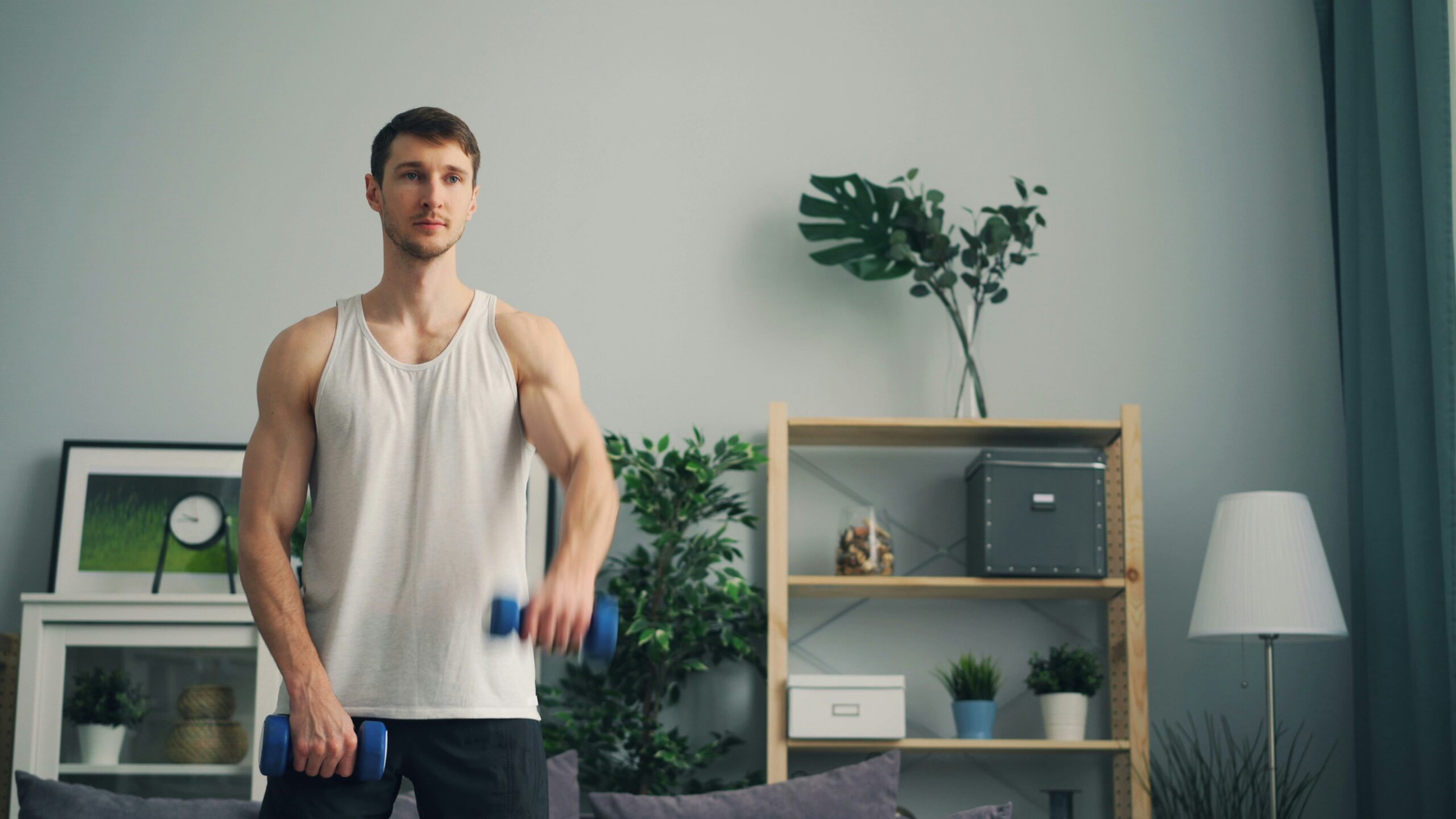
You don’t have to sweat out a 60-minute workout to get healthy—you just have to stop sitting still for too long. Your body is not made for sitting. It was made for shifting, stretching, standing and walking. Truth? Your best health doesn’t lie in a spin class or a HIIT video—it’s in the quiet, lost moments between your meetings, your emails, and your dinner prep.
The 5-minute rule is not about fitness; It’s about forgiveness. Every hour, when your legs go numb and your shoulders feel tight, just get up. Go near the window. Stretch your arms above your head as if waking up from a nap. March while you wait for the microwave. Five minutes. That’s all. No equipment. no pressure. Just a gentle reminder to your body: I haven’t forgotten you.
Make movement part of your story, not a separate task. Make your next phone call while working in the kitchen. Park at the far end of the park – not because you’re trying to burn calories, but because you want to feel the cool breeze on your face and the rhythm of your steps before entering. When the commercials come on, don’t sit back on the sofa – get up and fold a load of laundry, wipe the dishes, or dance wildly to the song that’s playing. These are not “exercises”. They are small acts of reconnection. They’re your way of saying, I’m not here just to consume – I’m here to move, to feel, to live.
4. The Sleep Sanctuary System: Recharge Your Body and Mind
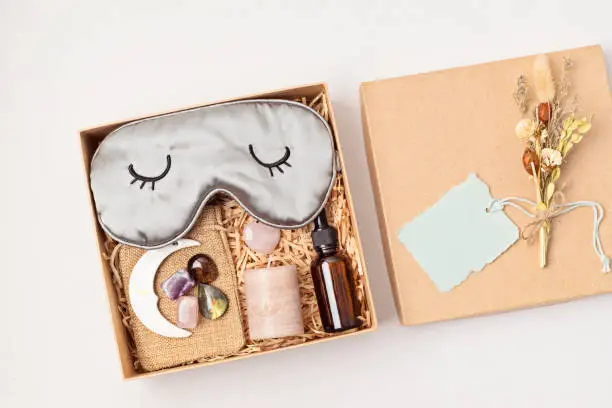
But here’s the truth: You can’t force yourself to sleep the same way you force yourself to complete a task. You can only make room for it to come. And that starts with making bedtime a ritual—not another check box, but a gentle signal to your whole being: It’s safe to rest now. Light a candle. Close the laptop. Let the world wait.
The most soothing act of self-care? Turn off screens an hour before bed. Not because you’re trying to be perfect, but because your brain still thinks your phone is a bonfire—bright, buzzing, alive with demands. It’s no wonder you lie there even when you’re tired. So let it go. Pick up a book with actual pages that weigh in your hand. Take a warm bath until your shoulders loosen up.
Write down what is on your mind – not to solve it, but to establish it, like placing a letter on the window to be worn at night. This is not a trick. They are invitations. Whispers to your nervous system: You don’t need to be on. You don’t have to perform. You just might be.
Some nights you’ll stay up late, scrolling until your eyes burn, and you’ll feel guilty. Other nights, you fall asleep before your head even hits the pillow, as your body finally meets your soul. Both are fine. What matters is not the watch – it’s the pattern. The more you look for the quiet hour, the more your body learns to trust it: Ah, this is the time we slow down. This is what happens when we let go. And slowly, wisely
5. The Mindful Minute System: Managing Your Mental Load
Your body and mind aren’t separate rooms—they’re one house, and when there’s chaos in one room, the whole place feels it. Chronic stress doesn’t just live in your mind; It settles in the shoulders, strengthens the gut, increases blood pressure and turns even small tasks into heavy lifting. You can eat the “right” foods, move your body and get good sleep – but if your nervous system is stuck in overdrive, you’re still idling. The antidote is not a retreat or a month-long therapy session. It’s five minutes. Only five. A short break in the noise, where you remember that you are not a machine, but a human being who needs to breathe.
That’s it. Or, before your feet hit the floor in the morning, think of three small things you’re grateful for: the warmth of your blanket, the smell of coffee brewing, the fact that you made it yesterday. Or, at lunch, sit alone for a minute – don’t scroll, don’t talk, don’t make plans – and just notice how you feel. No fixation. No decision. Just be. These are not distractions from your day. They are going home.
It’s not about becoming Zen. It’s about becoming less reactive. The more you squeeze these small breaks into your day, the more space you create between your stress and your reaction. That moment between your email and your reply that bothers you? This is where your power lies. That breath between chaos and your peace? This is where treatment begins. You don’t try to eliminate stress – you learn to live with it.
6. The Social Connection System: The Relationship Vitamin
You don’t need 10,000 likes or a busy weekend schedule to feel stuck. You just need a man who hears the weight in your voice when you say “I’m fine” and doesn’t believe you. Someone who remembers how to take your tea. Who sends you a funny meme when you’re about to cry. It’s not a coincidence – it’s a connection. And this is the quiet, steady hum of social health: not loud or bright, but steady, like a light shining in the window on a long winter’s night.
You don’t need big movements to care for it. Just show up – short, consistent and unpolished. Put that 15-minute call on your calendar like it’s an important appointment (because it is). Call a friend you haven’t spoken to in months – not to catch up on life, but to sit quietly between words. Let the silence spread. Let them rant about their cat, or their sister, or nothing at all.
Or find a corner of the world where people gather not for performance but for presence: a book club where no one is afraid to say “I didn’t finish it”, a weekend hiking group where the pace is slow and the conversation soft, a pottery class where the clay is dirty and so are you. You are not there to impress. You are there – together, in common, in unedited.
And yes – send that text. The one that accompanies the photo of your dog snoring on the couch and says, “Saw this and thought of you.” Even if you are nervous, send it, it will go unanswered. Even if it’s just one line. b
7. The Preventive Partnership System: Your Doctor as a Teammate
You don’t wait for your car to break down before taking it in for an oil change – so why wait until you’re gasping for breath, in pain or overwhelmed to see your doctor? Many of us think of health care like going to the emergency room: only when something is on fire. But real health is not about curing crises, but about preventing them. Seeing your doctor is not about being “sick”.
It’s about being curious—about your energy, your sleep, the odd pain you’ve been ignoring, the way your mood changes in the winter. They are not a judge, a gatekeeper, or a last resort. They are your ally. Someone who has been trained to notice what you can’t see in the daily blur – and who wants you to survive, not just survive.
Before your appointment, grab a tissue or open a note on your phone. Write down little things: “I’m tired even after sleeping”, “My knees crack when I get up”, “I skip meals because I’m too busy”. Don’t underestimate them. Don’t think, it’s probably nothing. It might be nothing – and that’s okay. He has heard everything. They are not there to embarrass you – they are there to walk with you, quietly, without criticism, towards better days.
And after this? Don’t let the deal end with a nod and a prescription. Ask: What should I look for? What is the next step? When should I check in again? write it down. Set a reminder. Follow – not because you obey, but because you choose to submit. It’s not about perfection. It’s about continuity. An annual trip taken with curiosity and courage can catch a problem before it becomes a problem
8. The Joyful Movement System: Finding Fun in Fitness
The one that makes you forget you’re “working out” because you’re too busy laughing, breathing deeply, or losing yourself in the rhythm. Maybe it’s dancing in your kitchen at 7am, hair flying, shoes off. Maybe it’s a walk in the woods on a nice Sunday, listening to birds instead of a podcast. Maybe it’s lap swimming like you’re a kid again, gliding through the water like the water is holding you. When activity becomes pleasure, it’s no longer something you do for your health – and it becomes something you do because it makes you feel alive.
Don’t be afraid to try things you’ve never done – or things you used to love as a child and quietly let go of. Do you remember what it felt like to ride your bike until the street lights came on? Or how you would run fast in the backyard to feel the breeze? Relive those moments.
Sign up for a beginner’s salsa course. Try paddleboarding on a calm lake. Take a beginner tai chi session at the community center. You don’t have to be clever. You just have to be curious. Let yourself be weird. Let yourself be happy. The goal isn’t to burn 500 calories—it’s to rediscover how good it feels to move your body without guilt, without pressure, without numbers flashing at you on a screen. It’s about reclaiming the pure, simple joy of being physical.
And when you find that thing—the thing that lifts your chest and bends your shoulders—you keep it safe as a treasure. Plan it like you would a coffee date with your best friend. Protect that time fiercely. If you feel tired, do less. If you feel alive, do more. Let your body be your guide, no.
9. Weaving It All Together:System for Your health Systems
You don’t have to fix your health everything at once – because you are not a finished project. You are a person who already goes through full, dirty and beautiful days. Trying to change your life with eight new habits overnight? It is not welfare. She is a burnout on the yoga mat.
The real magic is not in doing everything. It’s about doing something quietly, consistently, until it stops feeling like a chore and starts to feel like a part of you. Maybe it’s drinking a glass of water before coffee. You may need to take three breaths before checking your phone in the morning. Start there. Let it settle. Let it become your rhythm – like tying your shoes or brushing your teeth. Two weeks. This is all you need. Not to be perfect. Just to be present.
You may end up filling half your plate with vegetables afterwards, not because you’re losing weight, but because you’ll notice how much better you feel afterwards. Or maybe it’s scheduling a 15-minute conversation with someone you love. Don’t rush it. Don’t compare. This is not a race. It’s going to unfold slowly, steadily. Every little habit you form is like placing a brick on the path you will walk throughout your life. a brick. Then another. No big announcement. No before and after pictures. Just the quiet certainty you show – to yourself, carefully, day by day.
It’s not about becoming someone new. It’s about remembering who you’ve always been there for amidst the noise: someone who deserves to feel light, strong and calm in their skin. These are not system rules. They are invitations – to breathe, to move, to connect, to rest. And when you just pick one and keep picking it, you’re not just forming habits.
Do I need to do all 8 systems at once?
No—start with just one. Master it for two weeks, then add another. Consistency beats perfection.
Can these systems really prevent long-term health issues?
Yes. Small, daily habits like hydration, movement, sleep, and balanced meals build resilience over time—preventing chronic issues before they start.
What if I miss a day?
Missing one day doesn’t break the system. Just return to it gently. These are lifelong rhythms, not rigid rules.