









Health 7 Sleep Strategies That Elevate Your Recovery

You’ve been there—eyes open at 3 a.m., thoughts replaying the day’s mistakes, body heavy, however restless. Then comes morning: slow, snappy, foggy, like your mind forgot to show up. That’s no longer simply “being worn out.” That’s your frame screaming for what it became denied: actual, deep, restorative sleep.
But, we deal with sleep like an afterthought—a luxury we can sacrifice for one greater e-mail, one greater scroll, one greater episode. But here’s the truth: sleep isn’t the charge you pay for being busy. It’s the inspiration that lets you be whatever in any respect.
When you sleep, you’re no longer idle. You’re in the middle of a silent, sacred repair job. Your brain types reminiscences, turns stories into understanding. Your frame releases growth hormones to heal muscle groups, clears out poisonous waste, and resets your stress hormones so you don’t wake up stressed.
Your Health immune system gets its nightly improvement. Your coronary heart slows, your blood pressure drops, and your infection quiets. Without this nightly track-up, each device in your frame runs on low electricity—like a cellphone stuck on 5% and not using a charger in sight. You can continue going. But you won’t be thriving. You’ll be surviving.
This isn’t approximately snoozing eight hours perfectly each night. It’s approximately displaying up for yourself, lightly and continually. It’s about developing rituals that say, I rely enough to rest. Turning off displays an hour earlier than the mattress. Letting the closing thing you see be a candle, not a notification.
Wearing socks to heat your feet so your frame is aware of its time to settle. These aren’t Health tricks—they’re invitations.Health Invitations to your apprehensive device to sooner or later loosen up, to stop scanning for danger, to believe that you’re secure, heat, and held.
Table of Contents
Strategy 1: Craft Health a Rock-Solid Sleep Schedule
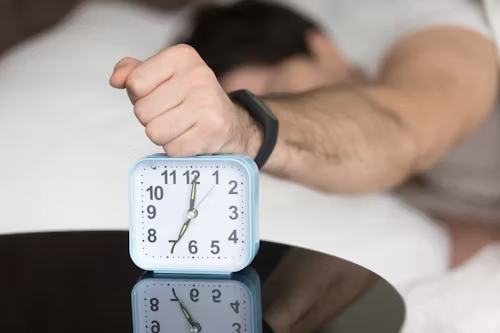
Your body health doesn’t just follow the clock on your wall—it hums to its own calm, ancient rhythm. That rhythm, called your circadian clock, is the driver of sleep, energy, hormones, and even your mood. But when you stay up until 2 a.m. on Tuesday, and then sleep until noon on Saturday, you “don’t recover”. You are confusing your body.
It’s like jet lagging yourself every weekend – you don’t need a passport. And over time, that chaos drains you, not only of fatigue, but also of clarity, immunity, and emotional balance.
You don’t have to be perfect. Just start small. If you usually go to bed at midnight and wake up at 8:00 a.m., try moving your bedtime to 11:45 p.m. For three nights. Then at 11:30. And what if you feel like sleeping in on Sunday? resist. Wake time is your foundation.
This is the most powerful signal your body has to reset the rhythm. Even if you go to bed late, getting up at the same time tells your brain: We’re still on track. That stillness creates movement – slowly, quietly, powerfully.
It’s not about becoming a morning person or giving up your weekend Netflix entertainment. It’s about giving yourself the gift of stability.
Strategy 2: Design a health Sanctuary for Sleep
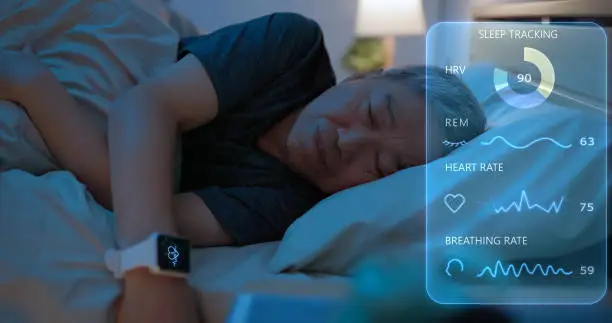
Your bedroom isn’t simply a place to alternate garments or scroll earlier than bed—it’s your sanctuary for health recovery. And if it’s lit up with sparkling chargers, buzzing gadgets, and the hum of streetlights, your frame knows it’s no longer safe to completely allow cross. Sleep doesn’t show up when you’re tired—it happens when your surroundings whisper, You’re secure right here.
That’s why your room needs to feel like a cave: cool, darkish, nevertheless, and tender. Not a workspace. Not a media hub. A sacred space wherein your worried machine can finally surrender.
Your frame knows the science: to nod off, your core temperature needs to drop. A cool room—among 60 sixty and seven tiers—facilitates the trigger that natural shift. Darkness tells your brain it’s time to release melatonin, the gentle hormone that draws the curtains to your waking thoughts.
And silence—or the constant hum of a fan, the whisper of white noise—maintains your sleep from being shattered through a door slam, a barking dog, or the blinking pink light of your router. Fragmented sleep isn’t simply worrying. It’s stealing the deep, restorative levels wherein your frame maintenance cells, clear brain toxins, and reset your immune system. You can’t out-sleep a chaotic room.
Start small. Drape a towel over your phone’s sparkling notification mild. Pull the curtains shut, even if it’s three p.m. Buy a reasonably-priced, gentle sleep mask—no need to spend a fortune. If your bed sags or your pillow seems like a brick, it’s not lazy to upgrade them.
It’s self-admiring. Your body spends a 3rd of its existence in that bed. It merits to be cradled, not punished. You wouldn’t ask a friend to sleep on a damaged chair—why ask yourself?
Strategy 3: Master Health the Wind-Down Routine
If your day has been filled with meetings, scrolling, deadlines, and noise, your brain doesn’t magically shut down when you turn off the lights. It needs a gentle descent. A taper routine is not a luxury – it is a necessary bridge, a slow, deliberate lowering of the drawbridge between the turmoil of the day and the quiet sanctuary of sleep.
It’s not about ticking off a list. It’s about sending a deep, calming, and undeniable signal to your nervous system: Now you’re safe. You can let go.
When you take 60 minutes to relax, you don’t just relax. You reduce cortisol, the stress hormone that has been running through your system all day. You switch from “fight or flight” to “rest and digest”. That’s when your body finally starts the real work: repairing tissue, clearing mental clutter, balancing hormones. Without this change, sleep remains superficial, disturbed, incomplete.
Your ritual doesn’t have to be elaborate. It just has to be yours. Maybe it’s the ritual of turning off all the screens and picking up a real book, the smell of paper and ink bothers you.Maybe it’s five minutes of slow breathing, or writing down everything that’s going on in your head so it doesn’t fill your pillow. It’s not about being Zen. It’s about being present.
Strategy 4: Tame the Blue Light Beast
And so, instead of falling asleep, your brain remains awake, your heart remains tense, and your sleep—when it finally comes—remains shallow, fragmented, incomplete. You don’t lose sleep due to stress or noise. You lose it because of a shiny rectangle that you have trained yourself to regard as harmless.
It’s not about willpower. It’s about biology. When you’re scrolling through social media in bed, your brain doesn’t know the difference between a sunset and a TikTok video. It only knows this: Light = awake. So when you finally put your phone down, your body is still in “daytime mode,” raging with cortisol and electrical thoughts.
But if you give it an hour of dim, warm light—no screens, no glare—your melatonin naturally increases. You feel sleepy. not tired. Not dry. Sleep, and that’s when real rest begins.
Try this: Charge your phone outside the bedroom. Not because you’re trying to be radical – but because you’re reclaiming your sanctuary. Use an analog alarm clock. Read a book under a soft lamp. Sit still with your thoughts.
That hour without screens is not a deprivation – it is a gift. It’s the space between the noise of the day and the quiet of the night, where your nervous system finally remembers how to settle down. And when you wake up and your phone isn’t ringing near you? You don’t just get better sleep. You start the day differently – with calmness, not with excitement.
In a world that glorifies always being active, unplugging before bed is an act of quiet rebellion. It says: I will not let technology dominate the rest.
Strategy 5: Be Smart About Food and Drink
Caffeine doesn’t go away when you stop drinking it – it stays. Like a ghost in your nervous system, it can still be buzzing in your bloodstream six, eight, or even ten hours later. That afternoon tea? That soda?
That square of dark chocolate? They are not just “a little energy”. These little alarms are set to go off while you’re trying to sleep. More wine? This is the ultimate fake friend. It pulls you under like a heavy blanket, but when your body reaches a deep, healing state of sleep, it blows the door open—fragmenting your rest, stealing your REM, and still leaving you tired eight hours later.
You don’t have to be harsh. Just be careful. Finish your last big meal a few hours before bed – give your body time to digest, not conflict. Swap that evening drink for a hot cup of herbal tea. Drink water earlier in the day so you don’t have to stumble to the bathroom at 3 in the morning. This is not a sacrifice.
They are acts of reverence – for your body, for your sleep, for the quiet hours when you are most vulnerable and most in need of nurturing.
It’s not about perfection. It’s about alignment. When you respect your body’s rhythms – not only by going to bed, but also by what you give it before – you’re not just procrastinating.
Strategy 6: Move Your Body During the Day
Movement isn’t just about fitness – it’s a calming conversation with your nervous system. When you walk, swim, or stretch, you don’t just burn calories; You tell your body: It is safe to stop.
Exercise reduces cortisol, relieves tension from the shoulders, and slowly wears out the brain in the best way – so when you finally lie down, your mind isn’t racing. They settle down. You don’t fall asleep quickly – you fall asleep, like a leaf floating in still water.
The real magic happens in deep sleep – the calming, restorative stage where the body repairs tissue, removes brain waste, and resets the immune system. Regular movement, even just 30 minutes most days, prolongs deep sleep.
There is no need for a gym or a marathon for this. A brisk walk at sunset, a slow bike ride around the neighborhood, even dancing in the kitchen at dinnertime—these are all acts of self-care that whisper to your circadian rhythm: We’re in rhythm. We are united,d and over time,
Tell me that rhythm becomes your support.
Timing is important – not because you have to be perfect, but because your body is listening. A high-intensity workout right before bed can make your heart pound and make you dizzy. But evening yoga? Light stretch? Slowly walk under the stars? It’s the gentle goodnights your nervous system requires.
They are not energetic – they are spontaneous. They don’t excite – they relieve. And when paired with your slow routine, they move a sacred bridge between the hustle and bustle of the day and the peace of the night.
It’s not about discipline. It’s about devotion. Act for your body – not because you have to, but because you want to feel the difference: sleep more deeply, wake up easier, have less stress on your legs. Movement does not improve sleep. It prepares you for it.
Strategy 7: Calm Your Racing Mind
The real battle for sleep happens not in your bed, but in your mind. “What if?” The constant cycle of “I should have done that…” and “Tomorrow is going to be a disaster”? It’s not just noise. It’s a storm that keeps your body on high alert, even when your eyes are closed. You are not awake because you are tired.
You are awake because your brain refuses to believe that you are safe. And no amount of blackout curtains or heavy blankets will fix that—unless you learn to silence the voices inside.
And then there is breathing. Not deep, dramatic breaths – but the calm, deliberate rhythm of 4-7-8: inhale for four, hold for seven, exhale for eight.
This is not magic. This is biology. The long breath triggers your parasympathetic nervous system, which tells us that we are not in danger. You can rest. It’s like flipping a switch inside your chest, turning down the volume when you’re scared and turning up the hum of peace.
This is how you reclaim your nights—not by forcing sleep, but by befriending your mind. When you stop fighting your thoughts and start holding them gently, like a child who needs to be heard, you create the calm needed to fall asleep. And that peace? It doesn’t just help you sleep.
Your Journey to Better Health Starts Tonight
You don’t need to make big Health changes in your life to get better sleep – you just need to start. A small change. A cool alternative. Every step you take—whether it’s dimming the lights an hour earlier, drinking chamomile tea, or writing down your worries before bed—isn’t just about sleep. This is a declaration: Rest means a lot to me.
These are not habits you force yourself to adopt. They are invitations you give yourself – to slow down, stop, let go. And over time, the small tasks add up. Not in dramatic ways, but in the kind of deep, invisible changes that make you feel lighter, clearer, and more like yourself.
The magic of sleep is not in the hours, but in the quality. Every night you rest deeply, your body repairs tissues, your brain sorts out memories, and your emotions find balance. You don’t just recover from that day – you rebuild yourself.
And when you do it consistently, even in small doses, you won’t just get better sleep. You become more flexible. Less reactive. more current. The energy you reclaim isn’t just for productivity—it’s for joy, for connection, for showing up fully in the life you live.
Can I improve my sleep without medication?
Yes—most restorative sleep comes from consistent habits like dimming lights, limiting screens, and practicing calm routines. Your body responds powerfully to natural cues, not pills.
How long does it take to see results from better sleep habits?
Many people notice improved energy and mood within 3–7 days of consistent routines. Deeper, more restorative sleep typically builds over 2–4 weeks as your circadian rhythm resets.
Do I need to follow all 7 strategies to benefit?
No. Start with just one—like a digital sunset or cool bedroom temperature. Even one consistent change can significantly improve sleep quality over time.