







Health 7 Evening Practices That Deepen Restorative Sleep

You know that health , heavy feeling – the one where you fall into bed exhausted but your mind refuses to calm down? The clock is ticking. Your mind repeats today’s mistakes. Your body hurts, but your brain won’t let you rest.
You wake up hours later, stiff and hollow-eyed, not rested, just… tired. This is not laziness. This is not a weakness. This is your nervous system screaming that it has not been allowed to transition from “doing” to “being”. And this has been happening for a very long time.
Truth? Sleep does not start when you turn off the light. It starts hours earlier – when you start to rest. That hour before bed is not wasted time; This is a sacred preparation. Your body does not shift from chaos to peace.
It requires a gentle descent: dim the lights, breathe slowly, let go of the day’s stress. If you spend the evening scrolling, eating, or stressing, you’re not preparing for sleep—you’re training your brain to stay engaged at work. But if you create a calming ritual, even a small one, you tell your nervous system: It’s safe to let go now.
It’s not about perfection or a rigid schedule. It’s all about rhythm. It’s about the warmth of a cup of tea in your hands, the quiet rustle of book pages, the soft glow of a lamp instead of a screen.
It’s about health stepping out of the noise and into the peace – not because you have to, but because you deserve it. You don’t need a spa evening or 45 minutes of meditation. You just need to permit yourself to slow down. to stop. breathe. And let the body remember what rest feels like.
Table of Contents
1. The Health Digital Sunset: Create a Screen-Free Buffer Zone
Your phone isn’t just a distraction—it’s a bit of a liar. Every blue glow emanating from the screen whispers into your mind: It’s dinner. Even at midnight. This light doesn’t just illuminate your food – it triggers the hormone melatonin, which tells your body it’s time to sleep.
And when you scroll through endless posts or answer emails, your mind is busy, alert, furious. You don’t close. You unravel and then you wonder why you’re lying there, wide awake, staring at the ceiling, feeling even more tired than when you went to bed.
It’s not about willpower. It’s about biology. Your body doesn’t understand that “just five more minutes.” It understands the rhythm. And when you flood your evenings with artificial daylight, you throw your internal clock out of whack.
So treat yourself to a real sunset – digital style. Turn off screens 60 to 90 minutes before bed. Not because it’s trendy. Not because someone told you to. But because your nervous system requires it. This is not a shortage. This is devotion. A silent act of saying: I will not let technology steal the peace I deserve.
Use that time as a gift. Light a lamp. Open a real book – one you can turn the pages, smell the ink. Sit with someone you love and don’t talk about anything important. Listen to a song that makes you feel excited. Light a candle. Breathe.
Let the thoughts flow without chasing them. If you have to check something, dim the screen, turn on night mode, and keep it short – like a flicker, not a flame. The goal is not to eliminate technology. This is to regain your peace.
And when do you do it? Something remarkable is happening. The noise in the head starts to subside. The tightness in the chest is reduced. You stop counting sheep – and start to fall asleep. Not because you forced it.
2. Craft a Soothing Pre-Sleep Ritual

Your brain health doesn’t need big movements – it needs gentle cues. Having a consistent bedtime ritual isn’t about being perfect. It’s about being predictable. When you do the same soothing things, in the same order, night after night, your nervous system begins to latch onto it like a baby recognising a familiar tune before bed.
This is not magic. This is biology. The hot bath, that book, the slow pace – this is not work. They are lullabies that your body learns to trust. And when that happens, sleep doesn’t feel like something you have to force yourself to do. It feels like you’ve been welcomed into something.
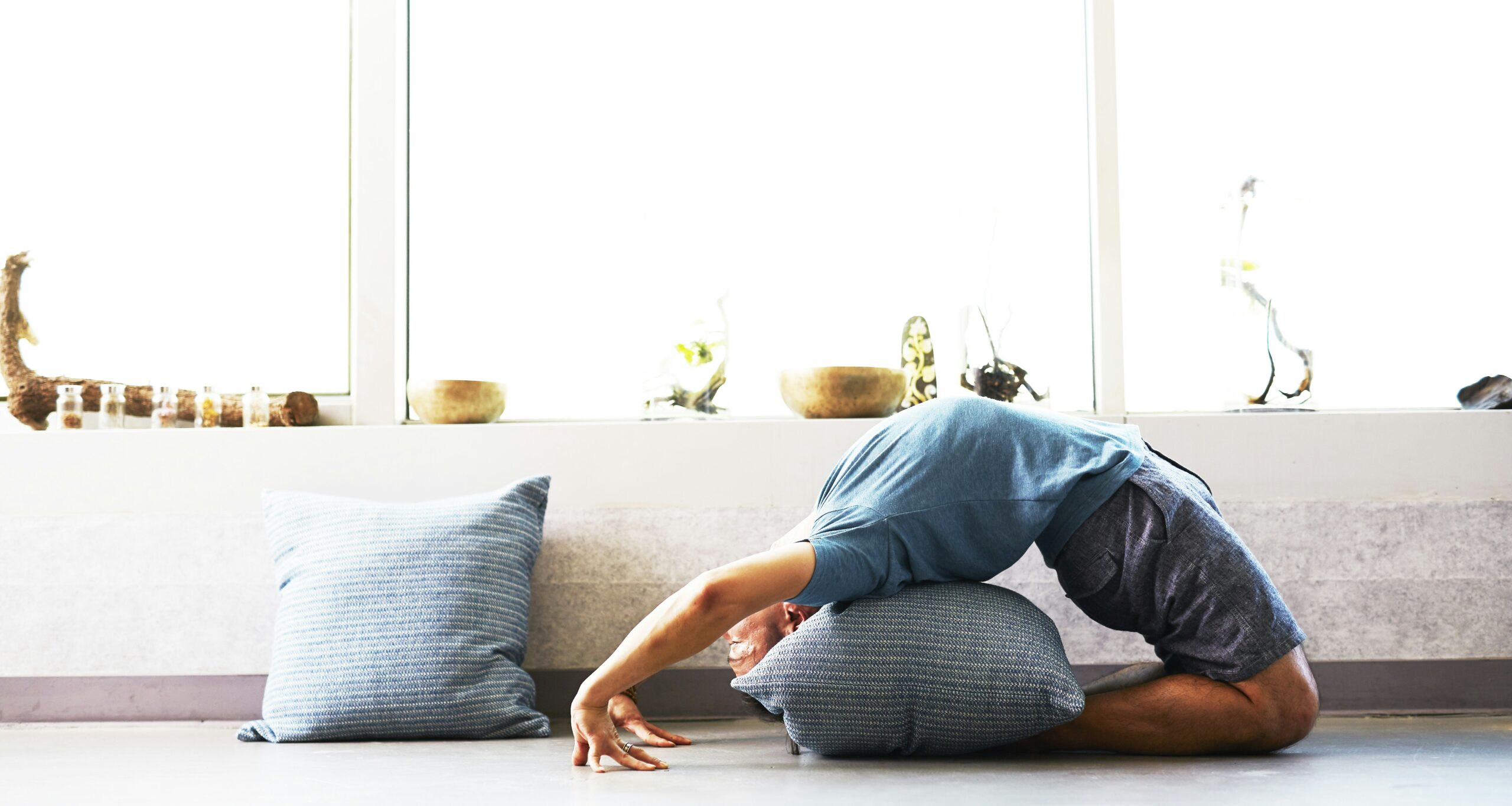
Maybe it’s curling up with a novel under a soft lamp, the only sounds in the room are the turning of the pages. Maybe it’s lying on the floor with its feet up against the wall, breathing slowly while its muscles melt. There is no right way – it’s just your way. The magic is in the rehearsal, not the show. Do this long enough, and your body will begin to soften before you start.
It’s not about adding more to your to-do list. It’s about giving a holy break. Twenty or thirty minutes isn’t much—but in a world that never stops demanding your attention, it’s revolutionary. Drink chamomile tea when the light is dim.
Let your mind health wander without trying to fix it. No screen. No pressure. Only you are slowly coming home to yourself. This time has not been wasted. It’s therapeutic. This is where your stress starts to melt away, your mind starts to calm down, and your body remembers how to relax.
3. Tame the Temperature for Optimal Sleep
Your body knows sleep better than you do. It doesn’t need apps or pills – it just needs the right conditions. And one of the most overlooked but essential conditions is temperature. When you climb into bed, your core temperature naturally begins to drop, signalling your brain that it’s time to relax and go to bed. But if your room is too hot, your body is fighting itself – like trying to fall asleep while wrapped in a blanket on a sunny beach. You throw. You’re sweating. You become restless, not because you are stressed, but because your biology is being ignored.
Even better? A warm bath that you take an hour or two before bed is not only relaxing, but also strategic.
The heat raises the temperature for a short time, and as soon as you get out and cool down, the body interprets the drop as a signal: sleep is coming. It’s nature’s own sleep trigger, and you don’t need a single gadget to use it. Just water, time and patience.
It’s not about perfection. It’s about respect. When you keep the room cool, you not only optimise sleep – you respect the body’s rhythms. You say, I see you. I’m not asking you to fight yourself now. And in that still, still place, your body.
4. Master Your Mind Health with Journaling

You know that moment health – when you finally close your eyes, and your mind says, oh, now is the perfect time to revisit that embarrassing thing you said in 2017… and also plan your entire future career, and remember that you never responded to that text… it’s not malicious. It’s just your mind, overloaded, trying to “solve” everything at once.
And it won’t stop. Not unless you give it somewhere else to go. This is where journaling comes in – not as a chore, but as a quiet act of kindness. You don’t write to be profound. You write to be free.
Try this: Keep a notebook by your bed—not for perfection, but for freedom. Five minutes before bed, let the pen wander without judgment. Let go of everything: regrets, worries, half-baked ideas, things you’re afraid to forget. No one will read this.
You don’t need to fix it. Just get it out of your head and onto the page. It’s like pressing eject on a messy hard drive. Suddenly the noise disappears. The mental loop is broken. And for the first time that night, you don’t carry the weight of the whole day on your chest.
Or, if your mind is too set on chaos, try the opposite: gratitude. Write down three small, real things that felt good today – the warmth of the sunlight on your face, the way your dog sighs when you pet him, the taste of your morning coffee.
It doesn’t solve your problems. But it reminds your brain: Not everything is fulfilled. And that gentle shift—from fear to gratitude—calms your nervous system more than any meditation app.
And if your mind is screaming about tomorrow? Write your to-do list. Only one. Clear, simple, no pressure. call mom. Send email. walk the dog. Seeing this written down reassures your brain: I have you. Now you don’t have to carry it. It’s not productivity. He’
5. Embrace the Gentle Health Glow of Dim Lights
There’s a quiet truth that most of us overlook: Your bedroom shouldn’t look like an office under fluorescent lights at 9 p.m. Bright overhead bulbs not only illuminate, but also announce. They shout, stay awake. continue.
The day is not over. And when you’re trying to relax, this is the exact opposite of what your body needs. Melatonin – the gentle hormone that lulls you to sleep – don’t be fooled by your intentions to rest. It responds to light, not to will. So if your room is still as bright as noon, your brain remains in “day mode” even if your eyes are closed.
The solution is not complicated. This is poetic. dim the lights. Replace the harsh glow in the ceiling with the soft, golden warmth of a table lamp. Let the shadows gather in the corners. Let the light fall like twilight, not like a searchlight. If you can, install dimmers – not for ambiance, but for adjustment. Let the light be soft as day.
And if you’re feeling gentle, light a candle. Not for Instagram. Not as decoration. But because the flickering is the closest thing to ignition that our ancestors knew before electricity – a rhythm older than clocks, deeper than timetables. The soft, dancing glow tells your nervous system: You are safe. You have been held back; you can let go.
It’s not about aesthetics. It’s about descent. Your body remembers when the sun goes down and the world goes quiet. It remembers the safety of low light, the calm of the evening, the signal that it is time to turn inward.
You don’t have to live like a monk. Just turn off the main light. Let your room become a cave – soft, warm and peaceful. No screen. No glare. Just you, peace and light that lets you relax.
And when you do this night after night? You don’t just improve your sleep. You rebuild trust – with your body, with your rhythm, with yourself. You say I don’t need to be productive
6. Mindful Health Breathing: The Instant Calm Technique
When anxiety sets in, your breathing forgets how to be gentle. It becomes short, tight, shallow – as if you’re always waiting for the next thing to go wrong.
And in that fast, furious rhythm, your body is stuck in “fight or flight,” heart pounding, shoulders clenched, mind wandering. But here’s a hidden secret: You don’t need a therapist, a pill, or a five-minute meditation to reset. You already carry the remote control with you – in your breath.
The 4-7-8 technique is not magic. This is biology, simplified. Breathe in through your nose up to four times – slowly, softly, as if you smell fresh rain. Hold it until seven o’clock, let the peace settle in your ribs. Then exhale through your mouth and count to eight, letting out a quiet sigh, as if blowing out a candle you’ve been holding on to for too long. Do this three or four times. That’s it. No particular seat. No singing. Just you, and the rhythm your body requires.
It’s not about being forced to be quiet. It’s about celebrating it. Every deep breath tells your nervous system: We are not in danger. You can lower the protection. Your heart slows down. Your shoulders sag.
The noise in your head begins to subside—not because you’ve silenced it, but because you’ve given it something better to listen to: the steady flow of your own breathing. And in that place you don’t just feel calm. You remember – you have always been safe.
You can do it in bed. In the car. In the bathroom after a hard day. Nobody needs to know. You don’t need to announce it. You don’t even have to believe it will work – just try it once, when you’re wide awake and not desperate.
Then, when panic hits at 2 a.m., you’ll remember: Oh, okay. I have this. And you want to breathe. And gradually, like the morning after a long night, the body will remember how to relax.
7. Curate Your Evening Consumption: Food and Drink
What you eat and drink in the evening is not only about digestion; It’s about signaling to your entire system: Are we ready to relax, or are we still? Late, heavy meals keep the body busy burning calories instead of rebuilding tissue. A glass of wine can make you pass out – but then it ruins the deep, restful sleep your brain and body get. You don’t sleep. You collapse into a fragmented, incomplete version of it.
Caffeine doesn’t disappear with the last sip – it hangs in your nervous system like a ghost. That afternoon latte? The green tea? Even that dark chocolate square? They are all the little sparks that make your mind flicker when it should be weak.
And while you might think cutting back on fluids will help you sleep through the night, it’s not about dehydration — it’s about timing. Sip generously at the start of the day, then let your body relax in the quiet hours before bed. A small glass of water is fine. a bottle? Not so much.
It is not about restrictions. It’s about faith. If you’re hungry before bed, don’t reach for pizza or ice cream. Choose something gentle: the natural sweetness of a banana, a few almonds for magnesium, a slice of wholemeal toast with honey – small, soothing, easy to digest. This is not “sleep food”. They are silent signs of care. He says: I’m not trying to fix you. I’m just trying to let you relax.
When you respect this rhythm, you stop fighting your biology. Stop blaming your sleep for being “bad”. Instead, you realize: You have been giving your body the wrong signals all along. You don’t have to change everything.
8. Your Health Journey to Better Sleep Starts Tonight
You don’t need to make big changes health your life to get better sleep – you just need to start. Not with a checklist, but with a whisper. Choose one thing. A small, gentle exercise that feels like a gift, not a chore.
Maybe you turn off your phone an hour before bed – not because you’re being “disciplined”, but because you’re tired of the brightness stealing your peace. Maybe it’s writing down three things you’re grateful for, not to fix your day, but to remember that it had light. Start there. Only one. Give it a week. Let it settle into its rhythm like a familiar song.
It’s not about perfection. It’s about presence. When you stand up for yourself – even in the smallest way – you send a message to body and soul: I see you. I’m not bothering you anymore. The digital sunset.
The cool magazine. Holding that cup of hot tea in both hands. These are not habits you impose on yourself. They are invitations you send – to relax, to soften, to come home to you. And when you say yes even once, you begin to rebuild trust – with your body, with your time, with your right to rest.
Every step you take is a silent rebellion against a world that tells you to always be ahead, always work, always produce. You will not fall behind by braking.
You hold on to the person you were—before you got tired, before exhaustion, before you forgot what peace felt like. These exercises are not just “tips for better sleep”. They are acts of faith. In a way, my comfort is not a luxury. This is the basis. And I deserve it.
So tonight, don’t try to do everything. Just do one thing. Turn off the screen. Light a candle. Breathe slowly. Let your body know it’s safe to quit. That’s all you need to get started. And in that small, gentle act, you’re not just preparing to sleep—you’re choosing to sleep.
Can I still use my phone at night if I turn on night mode?
While night mode reduces blue light, it’s still best to avoid screens 60–90 minutes before bed. Mental stimulation from content (emails, social media) keeps your brain alert—even if the light is dimmer.
Do I need to do all 7 practices to improve my sleep?
No. Start with just one—like dimming lights or journaling—that feels manageable. Consistency with one habit matters more than trying all seven at once.
Why does a cool room help me sleep better?
Your body needs to lower its core temperature to initiate deep sleep. A cool environment (60–67°F / 15–19°C) supports this natural process, helping you fall asleep faster and stay in restorative sleep longer.