







Health: 7 Daily Habits That Transform Your Energy Levels

Absolutely – here is a more human, conversational, and emotionally resonant version of your text. It has depth and insight, but sounds like it’s coming from a friend who’s been there, not a textbook:
Do you know that feeling?
By 3pm, your brain feels like it’s running on low battery. Your eyes get heavy, you’re distracted, and you just want to collapse on the sofa. So you reach for another coffee – maybe even a new one. Then, because the coffee isn’t enough, you flip. Just for a minute. But minutes turn into twenty, and suddenly you’re caught in a web of memes and headlines you don’t care about, just to feel something.
And then you whisper to yourself: I’ll sleep better tomorrow.
But tomorrow it will happen again.
You are not lazy. You are not wrong. You just live in a world that never stops demanding more of you, of your time, of your attention. And your body? It is tired of being treated like a machine that never needs fuel.
Here’s the truth no one is telling you:
Your health energy is not something you chase after. It’s something you develop.
Table of Contents
1. The Rhythm of Rest: Prioritizing High-Quality Sleep
This is a non-negotiable basis. You cannot compensate for lack of sleep. Think of sleep not as long periods of inactivity, but as the body’s vital nightly renewal. This is when your brain cleans house, removes pollution and maintains your body’s tissues, strengthens your memory, and regulates hormones – all important processes for your health.
Here’s how to make it a habit:
Create a virtual sunset: The blue light from monitors tricks your brain into thinking it’s daytime and suppresses the sleep hormone melatonin. Aim to turn off all screens at least an hour before bed. Instead, read a physical e-book, concentrate on a soothing song, or talk to a loved one.
When you prioritize sleep, you make an immediate investment in your physical and mental health, and it pays off in the form of energy production day after day.
This is a non-negotiable basis. You cannot compensate for lack of sleep. Think of sleep not as a period of inactivity, but as the body’s important nightly maintenance shift. This is when your brain cleans house, flushes out toxins, and your body repairs tissue, strengthens memory, and regulates hormones—all processes important to your health.
Here’s how to make it a habit:
Create a digital sunset: The blue light from the screens tricks your brain into thinking it’s daytime
2. Hydration: The Elixir of Life
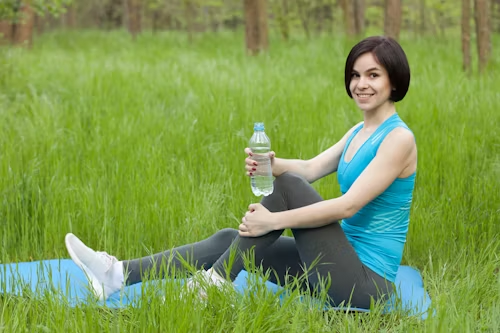
Water is to your body what oil is to a car engine. Without it, the whole thing breaks down, gets caught, and overheats. Even moderate dehydration can result in a big drop in power, mind fo,g and headaches. Proper hydration is a cornerstone of fitness, as it influences every cell process.
Here’s a way to make it a habit:
Start with water, not caffeine: Before consuming your morning coffee, drink a full glass of water. Your frame has been without fluids for 6-8 hours, and it’s far seeking out hydration.
Make it available: Keep a reusable water bottle at your table, in your automobile, and on your bag. If you see it, you drink it. Setting hourly reminders on your cellphone can also help shape the addiction in the beginning.
Eat your water: Many fruits and veggies are rich in water. A snack of cucumbers, watermelon, oranges, and celery can make notable contributions notably in your everyday hydration desires.
By continually drinking sufficient water, you aid your circulatory system, improve nutrient transport for your cells, and preserve your best fitness and energy production.
3. Food as Fuel: Eating for Sustained Energy
The food you devour is literally the gasoline your body burns for electricity. If you placed low-grade gas in an excessive-performance car, it would sputter and stop. The same goes for your frame. The purpose of health is to select foods that offer a slow, constant release of energy, keeping off risky sugar peaks and crashes.
Here’s how to make it an addiction:
Cut out processed ingredients: Highly processed foods, high in sugar and unhealthy fats, reason inflammation and wreck your energy levels. They offer a brief excess followed by a huge drop. Choose entire meals as many as possible.
Looking at meals through the lens of promoting your fitness changes your relationship with meals. It turns into less about obstacles and more approximately choosing the electricity you want to feel.
4. Move Your Body: The Energizing Paradox
You know what’s weird?
The more tired you feel, the more you think you need to sit still.
But here’s the hidden secret your body already knows:
To get energy, you actually have to move.
Seems backwards, doesn’t it? Like asking a drowning person to swim harder. But exercise isn’t about burning calories or pursuing fitness goals. It’s about telling your body: Hey, I’m still here. Let’s continue.
Every step, every stretch, every little dance when you wash the dishes – it sends a signal. Not for your Instagram followers. To your cells. To your mitochondria – the little powerhouses inside you that are quietly waiting for you to wake up.
You don’t need a gym membership. You don’t need spandex. You just need to stand up for yourself – in a way that doesn’t feel like punishment.
Here’s how to maintain it guilt-free: Start with what feels easiest. Not “I’m going to train for an hour”. But “I’ll take a walk around the block before my coffee gets cold.” Or “I will stand and stretch my arms and legs while the tea is made”. Twenty-minute walk? Brilliant. Are you dancing in the kitchen while singing off-key? Even better. Consistency beats intensity every time. One day. So next. So next.
Carry on like you’re breaking up a party that’s gotten too quiet. If you sit at a desk all day, your energy does not decrease, but stops. Set a timer. Every hour, stand up. Go near the window. Take three deep breaths. Go up and down the stairs once.
No fancy equipment. No audience. Just a little rebellion against gravity.
Do what makes you smile.
If you hate the treadmill, don’t step on it.
gardening? Yes. Do you play tag with your child or your dog? Absolutely. Bathe in the sea on Sunday morning? Brilliant. Strolling through the park with your favorite podcast? It’s training
5. Master Your Mind: The Art of Stress Management
You realize how it feels—while your mind gained’t close off, even if your body is screaming for rest? That low hum of hysteria within the again of your cranium, the tightness on your shoulders, the way you wake up already worn-out? That’s not just “being busy.” That’s your body caught in survival mode, drowning in cortisol, quietly draining your power like a leaky faucet you maintain ignoring.
Here’s the issue: pressure doesn’t need a big disaster to damage you. It prospers in the small, silent moments—the limitless to-do lists, the unread emails at nighttime, the fear that creeps in while you’re brushing your teeth. And seeking to “electricity through” simply makes it worse.
So right here’s what absolutely facilitates—now not because it’s present day, however because it’s human:
When you feel that knot tighten, pause. Just for a second. Breathe in via your nostril for four counts, hold it as if you’re cradling something fragile, then allow it out slowly—six counts, long and quiet. You’re now not meditating. You’re not performing. You’re simply telling your apprehensive system: It’s okay. We’re no longer in harm’s proper now. And that unmarried breath? It’s a reset button.
Then, do that weird little trick: deliver worry at a time and place. Set a ten-minute alarm every day—simply ten—and when it jewelry, write down every single factor that’s weighing on you. Not to restore it. Just to get it out of your head. Outside that window? If every other thought pops up, don’t combat it. Just say, “I see you. I’ll meet you at my worry time.” It doesn’t make the hassle disappear; however, it stops it from hijacking your entire day.
And step outdoors. Even if it’s just standing on your porch together with your coffee. Or taking walks across the block without your headphones. Let your skin sense the air. Listen to the birds. The Japanese call this shinrin-yoku—wooded area bathing—and you don’t need a woodland.
6. Connect and Engage: The Power of Social Health
Have you ever noticed that after a long day of back-to-back meetings, emails, and silence, a 15-minute conversation with someone you care about can make your whole body feel lighter? Like a switch was flipped – not because they did something right, but because you were finally seen?
We are ready for this. Not likes, not DMs, not group chats with 50 people where no one actually responds – but cool, real kind of connection. The kind where you can say “I’m not feeling well” and they don’t try to fix it. They just sit with you. It’s not nice – it’s necessary. Loneliness doesn’t just ruin your mood; It kills your cells. This is a slow burn on the nervous system. But when will you actually be heard? Your body releases oxytocin—the “tenderness and friendliness” hormone—and suddenly you’re not just tired. You have been stopped
You don’t need a crowd. You need a few people who know your silence, your awkward laugh, the way you drink tea very quickly when you’re nervous. So hang up the phone. Look them in the eye. Ask how they really feel – and explain what that means. Let them ask you the same. This is no small matter. It’s medicine.
And if you don’t have these people yet? It could be the book club where everyone argues about the ending, the running group that talks more than moves, the charity kitchen where you chop onions and laugh until you cry. The affinity is not strong. It is stable. It’s knowing you’re not alone in the quiet parts.
When you approach these relationships not as an obligation, but as a lifeline, you’re not just building friendships.
7. Embrace Stillness: The Habit of Mindfulness
Your mind is running a thousand tabs at once – half of them open to things that have already happened, half open to things that may never come. It’s no wonder you feel tired by 2 pm. you are not lazy, you are overloaded
Mindfulness is not about becoming a Zen master or sitting cross-legged for an hour. It’s about closing some of those tabs slowly, without judgment, and coming back to what’s real right now. Just a moment.
Now, take it further—not in a meditation app, but in your kitchen. When you sip tea, you really have to taste it. Feel the warmth in your hands. Watch the steam swirl in the air. When you walk towards the car or mailbox, feel your feet hit the ground. Don’t think about where you’re going. Just being there.
And at night, before you leave, write down three little things that went right today. Not “I got promoted”. Only: The sun came straight through the window. My dog sighs when I pet him. The coffee tasted better than expected.
This positivity is not vulgar. This is recalibration.
You’re not trying to erase the noise – you’re learning to stop letting it play on a loop.
And slowly, without any fanfare, your thoughts begin to settle.
The constant hum of “what if” and “I should have” is significantly reduced.
8. Your Journey to Vibrant Health Starts Today
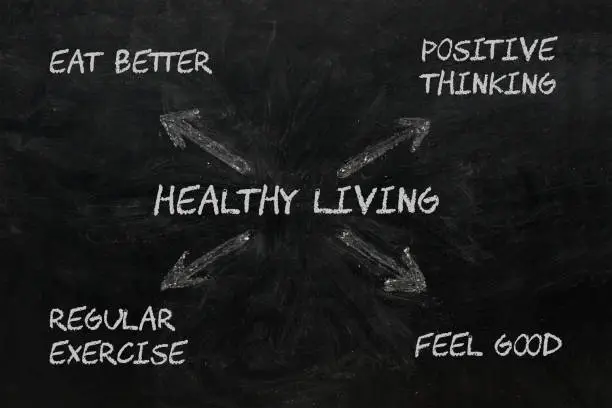
Changing your energy levels doesn’t have to be a lone, heroic effort. It’s about small, daily choices that together make a profound difference to your health. You don’t have to implement all seven habits at once. This is going to be awesome. Choose one. Only one. Take a week or two to master it. Feel the difference it makes to your energy. Then slowly add the other.
Remember that the ultimate goal is health. When you make choices that support your physical, mental, and emotional health, vibrant energy is the natural, beautiful result. It is your birthright to feel alive, vibrant, and energetic. Listen to your body, be kind to yourself, and start building your unique foundation for health today. Your future, energetic self will thank you for it.
Can small daily habits really boost energy?
Yes—consistent, simple routines like morning light exposure, hydration, and walking after meals reset your biology and sustain energy without caffeine or willpower.
Do I need to do all 7 habits every day?
No. Start with one. Master it. Then add another. Progress, not perfection, is the goal.
How long until I notice a difference?
Most people feel more steady energy within 5–7 days—not from one big change, but from the cumulative effect of small, aligned habits.