




Health 6 Hormone Balancing Tips That Don’t Require Pills
These little messengers work silently and affect mood, energy, appetite and sleep. When they become unbalanced, it can feel like your entire system is out of whack.
The Health exciting part? You don’t need a miracle pill or complicated protocols to get back on track. True, lasting hormonal health often comes from small, steady choices you make every day.
Things like respecting your need for rest, creating space to relax and eating in a way that truly nourishes you – these are not just “healthy habits”. They are powerful acts of self-care that signal safety and stability to your body.
True wellness isn’t about perfection—it’s about consistency. Opting for a leisurely evening walk instead of browsing, replacing a sugary snack with something that gives you energy for longer periods of time, or just going to bed 20 minutes earlier – each of these decisions is true.
They help recalibrate your body, reminding it of how it can naturally regulate, restore and balance.
And the ripple effect is real. As your hormones regain their rhythm, you’ll feel clearer, calmer and more resilient.
It’s not just about curing a symptom; It’s about creating a version of yourself that can continue to thrive for years to come. Because when your health is in balance from the inside out, your energy, confidence and happiness come naturally.
Table of Contents
1. Master Your Sleep: The Foundation of Hormonal Health

Saving sleep disrupts the body’s rhythm. Cortisol, your stress hormone, gets stuck in an “on” state at night when it should be down, leaving you restless. In the morning, it does little to energize you, so you reach for the coffee just to get to work.
Meanwhile, ghrelin – the hormone that screams “feed me!” – increases, while leptin, your natural fullness signal, fades. It’s no wonder you reach for cookies instead of carrots after a bad night’s sleep.
The good news is that your body likes stability. By aiming for 7-9 hours of rest and sticking to a regular sleep schedule – even on weekends – you help reset your internal clock. To dim the light, cool the room to approx.
65°F and turning off screens an hour before bed aren’t just relaxing rituals; They are science-backed ways to get deeper and more restful sleep. And in the quiet darkness, your body releases growth hormone, which silently repairs muscles, balances metabolism and supports long-term vitality.
Prioritizing sleep isn’t a luxury—it’s one of the smartest things you can do for your hormonal health.
2. Tame the Stress Monster: Manage Your Cortisol
In today’s fast-paced world, your stress response—once designed to help you avoid danger—is now triggered by overflowing inboxes, heavy traffic, or an endless stream of information. Outcome?
Your body remains submerged in cortisol far longer than it was designed to handle. And while you may chalk up the fatigue or mood swings to “busy life,” the deeper problem is hormonal: This constant alert mode is quietly disrupting everything from your metabolism to your reproductive health and even your immune system.
Over time, increased cortisol reshapes your body in subtle but important ways. It increases fat storage towards your belly, derails estrogen and ovulation in women, lowers testosterone in men, and can even silence your thyroid.
What starts as everyday stress can turn into low energy, brain fog, weight changes, and a weakened ability to fight off illness—wrecking your overall health in a way that goes beyond just feeling nervous.
But here’s the promising part: You don’t have to eliminate stress (impossible, right?)—you just need to change the way you approach it. A few slow, conscious breaths—inhale for four, hold for four, exhale for six—can quietly whisper to your nervous system, “We’re safe now.”
Light exercise, like a walk among the trees or some relaxing yoga poses, often calms your hormones more than another high-intensity sweat session. And the little naps of happiness – sticking in a sketchbook, tending plants, playing a few chords – are not just nice things; They are important actions for hormonal self-care.
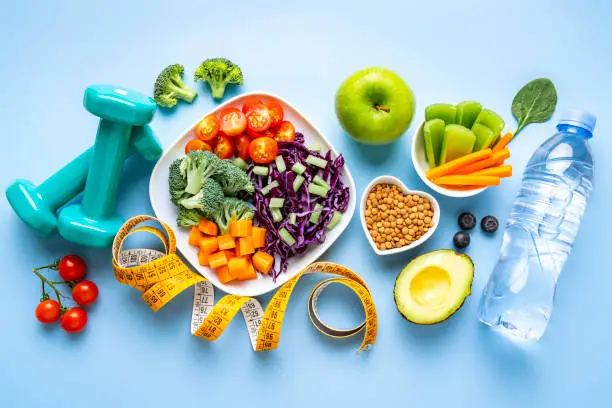
3. Eat for Balance: Fuel Your Body, Not Your Cravings

The food on your plate does more than fill you up—it literally creates your hormones. Every bite you take sends signals to your body telling it how to function, repair and regulate itself.
When you choose nutritious, whole foods, you give your body the raw materials it needs to create and balance the hormones that affect everything from your energy to your emotions.
Forget the old myth that fat is the enemy. The truth is, your hormones thrive on healthy fats. Cholesterol – the kind found in avocados, olive oil, nuts, seeds and fatty fish such as salmon – is the basis of important hormones such as estrogen and testosterone.
Without enough of these good fats, your body can’t produce the hormones needed to make you feel like yourself.
Another key player? Blood sugar balance. When you eat sugary snacks or refined carbohydrates alone, your blood sugar rises and falls, forcing your body to pump insulin more often.
Over time, this roller coaster can lead to insulin resistance – a major contributor to hormonal imbalances like PCOS and type 2 diabetes. But you can even things out by combining carbohydrates with protein, healthy fats and fibre: think apple slices with almond butter, or wholemeal toast with avocado and eggs.
4. Move Wisely: Exercise for Hormonal Harmony
Exercise isn’t just about burning calories or building muscle—it’s a direct communication with your hormones.
But the thing is: Pushing yourself to the brink every day can backfire. Instead of supporting your body, overdoing it can actually increase stress, increase cortisol, and unbalance other hormones. Sweet spot? Movement that energizes you, doesn’t tire you.
For example, strength training works wonders beyond shaping arms or legs. Every time you lift, lift, or resist, you teach your muscles to use glucose more efficiently—and help stabilize blood sugar with less insulin.
In addition, it gradually causes your body to release more growth hormone and testosterone, which are important for energy, mood and long-term vitality.
Cardio still has its place, especially when it’s moderate and mindful – think a brisk walk in the morning light, a leisurely bike ride or laps in the pool.
These forms support heart health without inducing a stress response. Short bursts of high-intensity interval training (HIIT) can also be powerful, but only when balanced with rest. If you’re procrastinating after each session or dreading the next workout, your body may be asking for a break—no more pressure.
5. Dodge the Toxins: Reduce Your Exposure to Endocrine Disruptors
We live in a world where convenience often comes with hidden costs – especially when it comes to the chemicals that are put into everyday items. From the plastic container you microwave your lunch in, to the perfume you use without thinking, many of these products contain endocrine-disrupting chemicals (EDCs) that can mimic or disrupt your body’s natural hormones.
Over time, even low levels of exposure can disrupt your delicate hormonal balance, affecting everything from energy and mood to metabolism and reproductive health.
What makes these chemicals so exciting is that they don’t declare themselves. BPA in plastics, phthalates in fragrances, parabens in creams – they enter the system through the skin, breath or food, especially when heat is involved. And because your hormones work on a well-organized, whisper-quiet system, even small disturbances can cause big ripples. You may feel “off” without associating it with products you use daily.
The empowerment part? You don’t need a complete lifestyle overhaul to make real changes. Start small: Swap plastic food storage for glass, bring a stainless steel water bottle and choose personal care products with short, recognizable ingredient lists.
A quick glance at a label – or a scan from a clean beauty app – can go a long way. And for household cleaning? Simple pantry staples like vinegar, baking soda, and a few drops of essential oil can clean just as well (if not better) than harsh chemical formulas—without the hormonal side effects.
6. Connect Deeply: The Power of Community and Health
You might not expect it, but one of the most powerful things you can do for your hormones doesn’t involve diet, sleep, or even supplements—it’s simply connecting with others. In a world more “connected” online than ever before, real, personal human connection has quietly become a rare and valuable resource.
Still, your body thrives on it. Loneliness and isolation aren’t just emotional burdens—they register as biological stress, keeping cortisol high and your system in a low-alarm state.
This gentle hormone doesn’t just make you feel good—it actively softens the edges of tension, lowers blood pressure, and helps relieve inflammation. In many ways, it is the body’s natural medicine for wear and tear in daily life.
You don’t need big moves to invite it more into your life. A 20-second hug with a loved one, a weekly coffee date with a friend, joining a local book club or even petting your dog can increase oxytocin levels.
If screens have replaced face-to-face time in your routine, try swapping a virtual chat for a personal walk or meal. These small acts of solidarity aren’t just “good” – they’re deeply nourishing for your nervous system.
At its core, taking care of your relationships is like taking care of your health. Emotional well-being and physical health are not separate – they are woven together through the same hormonal thread. By making room for true connection, you not only nourish your soul; You support a flexible, balanced body from the inside out.
7. Your Journey to Balanced Health
Balancing your hormones isn’t about reaching an ideal endpoint—it’s a deeply personal, ongoing journey toward better health. Think of it like tending a garden: You don’t sow everything at once, but nurture one seed at a time.
Maybe this week you’ll simply move your bedtime 30 minutes earlier, or replace that sugary afternoon snack with an apple and a spoonful of peanut butter. These small, intentional choices add up to more than you can imagine.
Your body already knows how to find balance – it just needs the right conditions to thrive. Prioritizing quality sleep, managing stress with compassion, nourishing yourself with whole foods, moving in ways that feel good, reducing your exposure to everyday toxins, and fostering real human connection are all powerful levers you can pull — without a prescription.
Each of these pillars gradually brings your hormones back into rhythm, supporting both your emotional and physical well-being.
Progress here is not measured in dramatic changes, but in subtle shifts: the afternoon crash that disappears, the mood that feels stagnant, the energy that begins to hum softly in the background.
You’re not chasing perfection – you’re building a sustainable lifestyle that respects your body’s signals and supports long-term health. And that kind of change is strongest when it is rooted not in pressure, but in kindness.
So listen carefully to what your body is telling you. Celebrate small victories. Be patient in difficult days. Every conscious choice you make is a silent act of self-care and a step toward deeper vitality.
Because true hormonal balance—and vibrant health—doesn’t come from making changes to your life overnight, but from introducing yourself one good habit at a time.
1. Can lifestyle changes really affect my hormones?
Absolutely. Hormones respond powerfully to sleep, stress, food, movement, and even your environment. Small, consistent shifts in these areas can create meaningful, lasting balance—without a single pill.
2. How long does it take to notice a difference?
Many people start feeling subtle shifts—like better sleep, steadier moods, or fewer cravings—within 2–4 weeks. But true hormonal harmony is a gentle unfolding; think in terms of months, not days.
3. Do I need to overhaul my entire life to balance my hormones?
Not at all. Start with just one supportive habit—like prioritizing sleep or adding more fiber—and build from there. Hormone health thrives on consistency, not perfection.