






Nutrition Basics: 9 Essential Rules for Smart Eating Every Day
Introduction
In a world where wellness trends flash across our screens like shooting stars shiny promises of quick fixes, miracle foods and radical transformations it’s easy to lose sight of what actually nourishes us.We scroll through endless advice on intermittent fasting, keto, plant-based living or detox teas, but feel more confused than ever.What if the answer lay not in chasing the next big thing, but in going back to something simpler?Something timeless.What if true health was not found in perfection, restrictions or rigid rules, but in presence, balance and kindness?
This article is not about extreme diets or unattainable ideals.It’s about building a relationship with food that honors your body, soothes your mind and supports lifelong vitality.These aren’t just “rules” in the traditional sense they’re guiding principles, gentle reminders drawn from the wisdom of nutritional science and human experience.Together, they create a guideline for eating smart every day not for weight loss alone, but for deeper energy, emotional resilience, and lasting health.Let’s not start with what we will lose, but with what we will bring: awareness.
Table of Contents
1. Eat Real Food, Mostly Plants, Mostly Whole
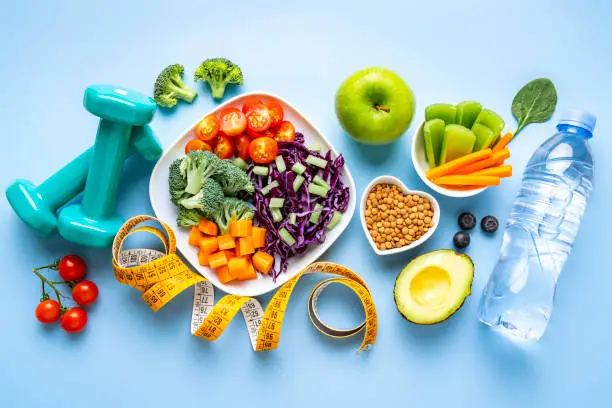
The foundation of clever consumption is deceptively easy: pick out real meals. Not applications classified as “low-fat,” “sugar-free,” or “high-protein,” but meals as nature made it whole grains, colorful greens, legumes, culmination, nuts, seeds, and lean proteins.
Michael Pollan famously stated, “Eat meals. Not an excessive amount of. Mostly vegetation.” That sentence holds oceans of fact. When we middle our plates around plant-primarily based whole meals, we obviously flood our bodies with fiber, antioxidants, nutrients, and phytonutrients compounds that don’t just save you disease; they help us thrive.
Think of a ripe tomato, warm from the sun, its deep red hue full of lycopene, acknowledged to guide heart fitness. Or a handful of blueberries, tiny bursts of anthocyanins that protect mind cells and reduce inflammation. These aren’t dietary supplements.They’re items from the earth, designed to work in concord with our biology.
And sure, this consists of joy. A slice of sourdough bread made from fermented entire grain helps intestine health. Dark chocolate, wealthy and sour, offers flavonoids that enhance the stream. The goal isn’t purity, it’s a sample. Make complete, unprocessed ingredients the rhythm of your days, and the whole lot else can dance around them with grace.

2. Honor Hunger and Fullness, Your Body Knows the Way
Have you ever eaten a full meal while distracted eyes glued to a screen, mind racing and then realized you barely tasted it?Or finished a bag of chips without meaning to?We’ve been conditioned to ignore our body’s signals.To eat on schedules that suit productivity, not physiology. To override hunger because we’re “saving calories,” or push past fullness because “it’s there.”
But your body speaks a language older than words: hunger pangs, energy dips, stomach rumbling, satisfaction.And on the other end comfortable fullness, a quiet pause after eating, a natural disinterest in food.Smart eating begins with listening.
Try this: before your next meal, pause.Place a hand on your belly. Ask: Am I physically hungry?Where do I feel it?Rate it from 1 to 10.Then, eat slowly.Put your fork down between bites.Notice how the texture changes, how flavors unfold.Halfway through, check in again.How does your body feel?This isn’t about control it’s about connection.When we relearn to trust our internal cues, we stop fighting ourselves at every meal.We eat when we need fuel, stop when we’re satisfied, and find peace in the process.This is health rooted in self-respect.
3. Make Peace with Food, No More Guilt, No More Labels
You’ve likely heard of foods called “good” or “bad,” “clean” or “dirty.” But here’s a radical idea: food has no moral value.Calling a cookie “bad” doesn’t make it poisonous.Calling salad “good” doesn’t make it virtuous.These labels create shame, which leads to cycles of restriction and overeating emotional turmoil disguised as discipline.True health includes psychological well-being. And guilt around food harms more than any single meal ever could.
Instead of banning foods, try neutrality.Ice cream?It’s cold, sweet, creamy.Broccoli?Crunchy, earthy, bright green.Neither is a hero or villain.Both can exist in a balanced life.
If you crave cake, eat it.Savor it.Enjoy it.Then let it go.The goal isn’t willpower it’s freedom.When food loses its power over you, you regain yours.This rule is especially vital for anyone who’s struggled with disordered eating or chronic dieting.Healing your relationship with food is not a side quest it’s central to your overall health.
4. Prioritize Protein, Fiber, and Healthy Fats at Every Meal
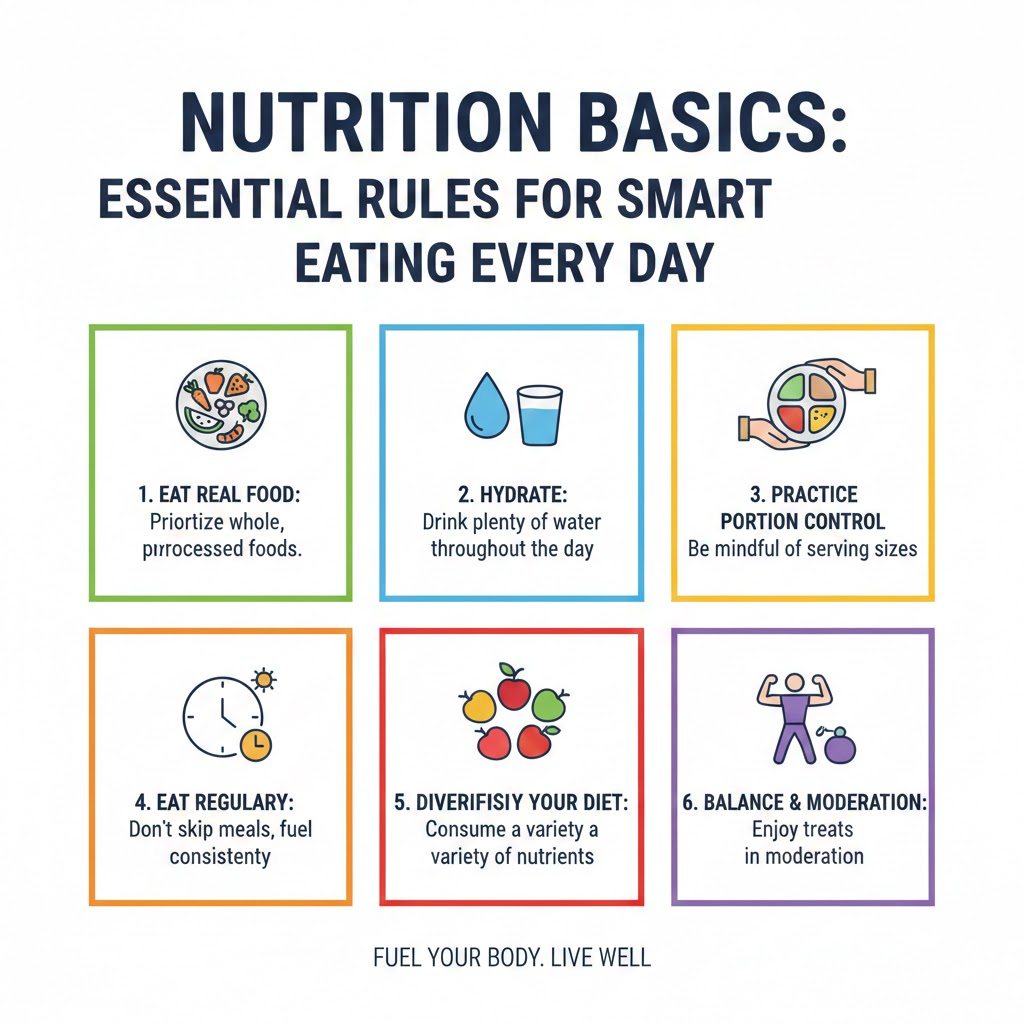
While no single nutrient holds all the answers, balancing your plate with protein, fiber, and wholesome fat is one of the maximum practical strategies for sustained strength and satiety.Protein protection tissues, stabilizes blood sugar, and maintains you feeling whole longer. Think eggs, Greek yogurt, lentils, chook, tofu, or fish.
Fiber especially from vegetables, culmination, beans, and entire grains feeds your intestine microbiome, aids digestion, and allows adjustment of ldl cholesterol and glucose tiers.Most adults get a whole lot much less than half the advertised amount each day. Simply such as servings of greens for your dinner can be near that hole.
Healthy fat avocado, olive oil, nuts, chia seeds, fatty fish are essential for hormone manufacturing, mind feature, and soaking up fat-soluble vitamins (A, D, E, K).They additionally upload richness and satisfaction to meals, lowering the urge to snack later.Try constructing your plate like this:
½ packed with colorful vegetables,
¼ with lean protein,
¼ with complete grains or starchy veggies,
A drizzle of wholesome fats.This isn’t dogma it’s a template for consistency, ease, and health that works whether or not or no longer you’re at home, at work, or traveling.
5. Hydrate with Purpose, Water Is the Unsung Hero of Health
Thirst is often pressured with hunger.Fatigue is often attributed to strain while it’s far honestly dehydration. Even slight dehydration can impair awareness, temper and physical overall performance.Yet many of us drink coffee, smooth liquids or sugary drinks, and treat water as an afterthought.
Here’s the reality: Water is not just a drink, it is a nutrient.It affords oxygen, gets rid of pollution, softens the joints and regulates the temperature. Without good enough consumption of it, every system to your body slows down.
Start small.When you awaken, pour a tumbler of water.Keep a reusable bottle close by.If simple seems dull, upload lemon, cucumber or mint.Replace soda or juice with water every day.
And keep in mind: Hydration is not just about quantity.It is likewise about exceptional.Electrolytes along with sodium, potassium and magnesium help your cells take in water effectively.So a pinch of sea salt or a banana in water for breakfast could make a difference.When you drink with purpose, you do not simply quench your thirst you nourish your complete being. This is what health in movement looks like.
6. Embrace Variety, Because Diversity Fuels Resilience
Imagine ingesting the equal five ingredients every day for months. Your body may additionally get sufficient calories, however it’ll pass over out at the wide range of nutrients that nature offers.Different colours, textures and varieties of meals provide specific advantages.Orange carrots provide you with beta-carotene. Purple cabbage offers anthocyanins. Brown rice incorporates selenium. Salmon offers omega-three. Each makes a unique contribution to your health.
More importantly, the range supports intestine range, a cornerstone of immune characteristic, mental readability, and metabolic fitness. The more varied your food regimen is, the more various your microbiome can be, and the better ready you’ll be to address strain, disorder and getting old.
Give yourself a weekly undertaking: Try a brand new fruit, vegetable, grain or spice. Roast cauliflower with turmeric.Fry the bok choy.Bake apples with cinnamon.Order something surprising at the restaurant. Diversity isn’t always about extravagance, it is approximately interest. And interest is a form of self-care.
7. Plan Ahead, Small Efforts Prevent Big Mistakes
We don’t fail at healthy eating because we lack willpower.We fail because we lack preparation.When you’re tired, stressed, or running late, convenience wins.And convenience usually means ultra-processed foods high in sugar, salt, and unhealthy fats.But smart eating thrives on simplicity.Spend 20 minutes on Sunday washing and chopping vegetables.Cook a batch of quinoa or brown rice.Hard-boil a few eggs.Portion out nuts or yogurt into containers.
These tiny acts create a safety net. Now, when hunger strikes, you have real food ready. No decision fatigue. No guilt. Just ease.Meal planning doesn’t mean rigid schedules or elaborate recipes. It means caring enough for your future self to set her up for success.And that’s not discipline that’s love. And love is the deepest form of health.
8. Slow Down, Eating Is Meant to Be a Ritual, Not a Race
Digestion starts from the brain.As soon as you spot meals, scent it, assume it, your frame starts getting geared up.Saliva flows.Acid increases within the stomach.Enzymes are awakened.But in case you consume too fast, you pass this vital step.You swallow air, overeat and overload your digestive device.Slowing down improves digestion, improves flavor and increases pleasure.
Try this test: Take a piece of meal and bite it 20 instances.Notice how the flavor develops.How gentle is the texture?How does your jaw circulate?You will in all likelihood find that you need much less food to feel satisfied.
Eating slowly also creates an area for mindfulness. Instead of consuming on autopilot, you become a gift. You recall that meals are not simply gasoline, it’s miles of tradition, memory, consolation, and celebration.
That bowl of soup?It may also remind you of winter nights along with your grandmother.Those strawberries?Summer morning in the lawn of early life.When we devour with awareness, we devour more than the body needs.We feed our soul. And non secular care is inseparable from real fitness.
9. Progress Over Perfection, Every Choice Matters, But None Define You
Here’s the hardest reality: no one eats flawlessly. Not nutritionists, now not influencers, not athletes.Life takes place. There are birthdays, holidays, pressure-eating nights, lazy weekends. And that’s ok.What subject isn’t an unmarried meal or maybe an unmarried day it’s the sample through the years.Did you eat primarily complete meals this week? Did you drink water? Did you listen to your body as soon as, even in short? That’s development.
Forget all-or-not anything wondering. It’s a trap. One “mistake” doesn’t smash your fitness, simply as one ideal day doesn’t assure it.Instead, ask: Can I make one slightly higher preference these days? Maybe it’s deciding on water over soda. Walking after dinner. Add spinach on your omelet. Saying no to seconds while you’re full.
These small moments gather. Like drops filling a bucket, they construct a life-style that sustains you no longer simply physically, however emotionally and mentally.And that’s the heart of clever consumption: compassion. Kindness. Sustainability.
Bringing It All Together: A Life of True Health
These nine policies aren’t intended to be followed like commandments etched in stone.They’re invitations to slow down, music in, and care deeply for the best body you’ll ever have.Real fitness isn’t more than a few on a scale. It’s waking up with electricity.It’s clear pores and skin, robust nails, calm digestion.It’s fewer sick days, higher sleep, brighter moods.
It’s playing a chunk of cake without panic. It’s saying no to second helpings without resentment. It’s cooking a meal with love, sharing it with joy.It’s knowing that you don’t need to be ideal to be worthy of care.
So start where you are. Pick one rule that resonates. Maybe it’s ingesting more water. Maybe it’s ingesting one greater serving of vegetables. Maybe it’s simply chewing slower.And while you neglect it? Begin once more. Gently. Without judgment.Because the journey to higher fitness isn’t about accomplishing a destination. It’s approximately walking ahead one mindful bite at a time.
Final Thought:
Food is not the enemy. It is medicine, yes but also pleasure, connection, tradition, and art. When we approach it with balance, curiosity, and kindness, we don’t just change our diet. We change our lives.And that is the most beautiful definition of health there is.
Q: What are the most important nutrition basics for beginners?
A: Focus on whole, minimally processed foods; eat a variety of colorful fruits and vegetables; stay hydrated; include lean proteins and healthy fats; and practice mindful eating. Small, consistent habits lead to lasting results.
Q: Can I still eat my favorite foods while following smart eating rules?
A: Absolutely! Smart eating isn’t about restriction it’s about balance. Enjoy your favorites in moderation while prioritizing nutrient-rich choices most of the time. Progress over perfection is key.
Q: How can I make healthy eating simple and sustainable?
A: Start with small changes like adding one extra serving of veggies daily or swapping sugary drinks for water. Plan meals ahead, keep healthy snacks handy, and listen to your body’s hunger and fullness cues.