








Health: 7 Daily Habits That Transform Your Energy, Focus, and Longevity

We all want to wake up feeling alive—not depressed, not high on coffee, not dragging through the afternoon like we’re carrying bricks. But often “health” feels like something just out of reach: a number on the scale, a lab result, a goal we’ll one day pursue. Truth?
Real health does not exist in the last line. It is woven into the quiet, ordinary moments of the day – the way you start your morning, what you choose to eat, how you walk, and how you relax.
You don’t need a complete makeover. You don’t have to give up sugar cold turkey or run marathons. What you need is consistency. Small choices, repeated every day, become the invisible architecture of your life force.
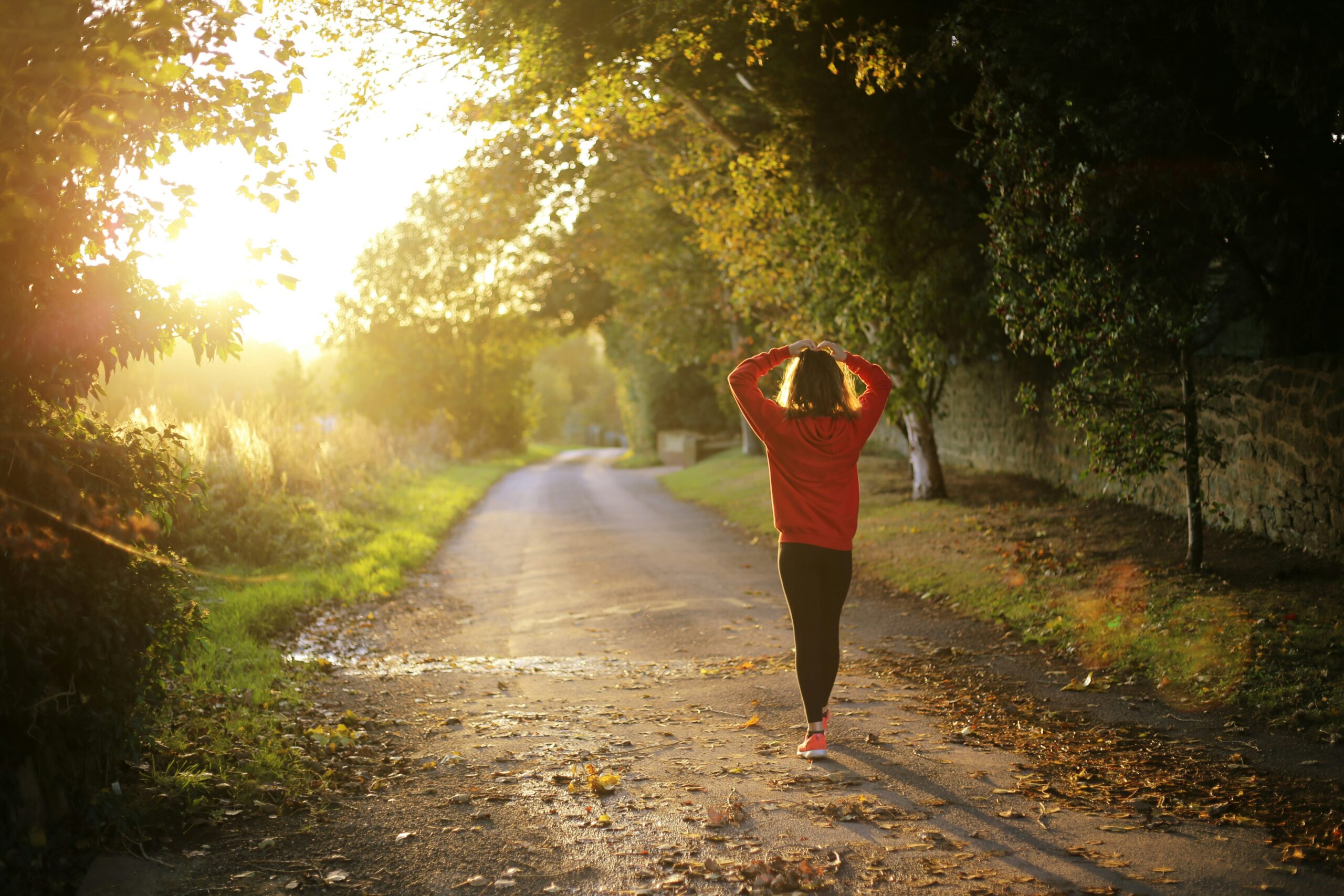
10-minute walk at sunrise. Drink water before coffee. Put your phone away an hour before you go to sleep. These are not grand gestures – these are gentle acts of self-respect. And over time, they rewire your body, your mind, and your energy in a way that no supplement ever could.
It’s not about discipline. It’s all about design. When you structure your day around habits that support your biology—not destroy it—you stop fighting yourself.
You stop feeling tired because you “should” be more energetic. You start to feel energized because that’s exactly Health what your days are made for. Your focus becomes sharper. Your mood remains stable. Your body starts to trust you. And that’s when health stops being something you pursue – and becomes something you live.
Your future is being shaped right now
by the small, quiet decisions you make before breakfast, between meetings, and as the sun sets. You don’t have to be perfect. You just have to approach it with caution again and again. Because the fittest version of you isn’t waiting on a beach in Bali or on a scale that shows ‘goal weight’. Today, there’s another Health habit waiting for you to choose that says: I’m worth the effort.
Table of Contents
Habit 1: Hydrate First Thing in the Morning

Before you reach for that first cup of coffee, stop – and grab water instead. After eight hours of sleep, your body is still thirsty. You may not realize it, but your cells are already working harder than they need to be.
That lazy morning feeling? Brain fog? Low degree of irritability? It’s not just caffeine deficiency – it’s dehydration. And it takes less than a minute to fix.
Water isn’t just a drink – it’s the ultimate performance enhancer. Every cell in your body runs on it. Your mitochondria – the tiny power plants inside your cells – need water to generate energy. Your blood needs it to deliver oxygen to your muscles and brain. When you hydrate first and foremost, you don’t just quench your thirst; You restart the entire system. No stimulants needed. Just pure, cool, organic renewal.
Your brain, which is 75% water, doesn’t just like hydration—it depends on it. Even a 2% drop in fluid levels can reduce concentration, slow reaction time, and make simple decisions feel difficult. That mid-morning slump?
Often, it is not boredom or fatigue. This is a lack of H₂O. A glass of water before your first meeting, before your first email, even before you check your phone – gives your mind the clarity it’s been waiting for.
And it’s not just about feeling better health today. It’s about protecting your future. Chronic, low-grade dehydration puts extra strain on your kidneys – your body’s filtration system – and over time, this increases wear and tear. Add lemon juice to ease digestion and get a touch of vitamin C, and you’ve turned a simple habit into a daily act of care.
Habit 2: Prioritise Movement—Especially After Meals

You don’t need to crush workouts to get healthy – you just need to go often. And one of the quietest and most powerful times to do it? Right after eating. Not to burn calories. Not to “earn” your food. But also to help your body settle down, digest and reset – especially after lunch, when energy wanes and the brain begins to fog up.
And it’s not just about energy. That trip is also a gift to your brain. With each step, your body releases BDNF – a protein that nourishes and grows brain cells like fertiliser for the garden. It’s not about feeling fast right now.
It is about building cognitive flexibility over time. Better memory. Clear thinking. A brain that stays sharp as we age. You’re not just moving your body – you’re also moving your mind to its best version.
Sitting for hours is one of the quietest threats to long-term health. Studies call it the “new smoking” for a reason: It slows your metabolism, impairs your circulation and puts a strain on your heart.
But you don’t have to make big changes to your day. Just break it up. Take a walk after lunch. Take the stairs. Stand still while taking a call. Stretch out during advertising. It doesn’t need to be complete. It just has to be regular.
Make it Health non-negotiable: Set a timer. Go outside. Breathe the air. Pay attention to the light. Let your legs take you with you, even if it’s right around the block. This is not training.
Habit 3: Master Your Sleep Sanctuary
When you respect sleep, you’re not lazy—you’re loyal. Be loyal to the version of you that looks fast, stable, and strong. Not the one who smokes, snaps at loved one,s or forgets where they put their keys. Sleep is not a by-product of a productive day. That’s why you were able to get it.
Your body doesn’t repair itself during idle time—it repairs itself during deep sleep. The muscles are rebuilt. Hormones are recalibrated.
The brain’s glymphatic system clears out the mental debris of the day—sticky proteins, emotional debris, the mess of overstimulation. That’s why you wake up clearer after eight hours, not after three. It’s not magic. It’s mechanics. And giving up isn’t surrender – it’s self-sabotage disguised as hustle.
It’s not just about avoiding panic. It’s about protecting your future. Years of poor sleep silently destroy your immune system, distort your hunger signals, and accelerate brain aging.
The risk of heart disease, diabetes, and dementia doesn’t appear overnight – it grows in the quiet spaces between your nights. Every hour lost adds up. Every night, rolling steals the version of you that still wants to wander, travel, read, and be fully present with the people you love.
Make sleep non-negotiable – not because you “should”, but because you deserve to wake up feeling like yourself. Plan your bedtime the way you plan a meeting with your most important client. dim the lights. Leave the phone in another room.
Read a book in low light. breathe. Tell your body: It’s safe to rest now. Your bedroom is not a workplace. This is a health sanctuary. And your circadian rhythm? It doesn’t care about your calendar. It just knows the rhythm – and it thrives on consistency.
Habit 4: Fuel Your Body with Whole Foods
You are not just what you eat – you are what your cells hear as you eat. Each bite sends a message: Burn me. Reduce speed. Protect me. Build me. Processed snacks and sugary foods wreak havoc – they fill the system with spikes, crashes, and inflammation.
But real food? Whole, colorful, nutritious foods – speaking in a calm, steady language that your body has understood for millennia. It doesn’t just fill your stomach. It wakes you up.
This gives you a smooth hum. No accident. There will be no fog in the afternoon. Just smooth, quiet power. And your thoughts? It’s mostly fat—literally. Omega-3s from salmon, walnuts, and flaxseed are “not good for you.” They are important building blocks. Without them, your mind becomes fuzzy. Your memory becomes weak. Your mood wavers. What you eat literally shapes your thinking.
It is not about restrictions. It’s about alignment. The longest-living people on Earth—those living in the blue zones—do not count calories or avoid carbohydrates.
They eat most plants slowly, together with others, and with deep respect for the food. His secret? Less swelling. Strong gut health. A diet that does not fight your biology, but supports it. And it starts with a simple change: adding more real food, not eating more junk.
You don’t have to become a vegetarian. You don’t have to give up sugar forever. Just start adding. An extra vegetable for lunch.
A handful of nuts instead of chips. Water before coffee. Replace white bread with sourdough. These are not sacrifices – they are small acts of care. And over time, they become mixed. Your energy remains stable. Your mind becomes clear. Your body starts to feel like a home and not a battlefield.
Habit 5: Practice Mindfulness, Even for 5 Minutes
Your mind won’t stop talking even when you try to relax. It replays difficult conversations, predicts tomorrow’s meetings, or at worst spins like a broken record. This constant mental noise is not only tiring – it steals your energy, reduces your focus, and silently weakens your body. Mindfulness is not about emptying your mind. It’s about coming home to it.
When you slow down and breathe, you flip the switch from “fight or flight” to “rest and restore”. Your heart rate drops. Your muscles become soft. The hectic bustle calms down. This is not rest – this is restoration. And in a world that rewards busyness, choosing peace becomes a radical act of self-preservation.
This is not magic. This is training. Every time you notice your mind wandering—during a meeting, while browsing, even while brushing your teeth—and gently bring it back to the present, you strengthen your attention like a muscle.
Over time, you stop reacting to all distractions. You stop wasting hours on mental chatter. You begin to choose where to focus. It’s not just productivity – it’s presence. And presence is the basis for clarity, creativity, and peace.
Chronic stress isn’t just “in your head.” It’s in your blood pressure, your immune cells, the lining of your gut. Years of high cortisol not only make you stressed, but also make you insecure. Mindfulness does not eliminate life’s stress.
But it changes the way you wear them. You stop absorbing every worry like a sponge. You begin to observe them as a silent witness. And that change? It’s the difference between burning out and growing old resilient.
Habit 6: Cultivate Deep Social Connections
We live in a world that connects us – on screens, in feeds, through notifications – but many of us feel lonelier than ever.
We see hundreds of faces, but rarely feel seen. We write “lol” instead of saying “I’m having a difficult day”. Loneliness isn’t just sadness—it’s a biological signal, like hunger or thirst, that tells us we’re missing something essential: real human connection.
When you laugh with a friend, share silence with someone who gets you, or even make eye contact with a barista who remembers your order, your body responds. Oxytocin is flowing. Endorphins increase.
The weight of stress increases – not because your problems disappeared, but because you no longer carry them alone. These moments not only feel good, but they also refresh you. They transform emotional fatigue into calm energy. You don’t need a party to feel revived. Just a real exchange.
And that feeling? It’s not just emotional—it’s physical. When you feel connected, your brain doesn’t need to be on high alert. Your mind stops swirling with worry, and suddenly you have space to think, create, and focus. That mental clarity doesn’t come from productivity hacks. It comes from knowing you belong somewhere—even if it’s just with one person who shows up consistently, without judgment.
The science is indisputable: People with strong, meaningful relationships live longer – up to 50% longer – than those who are isolated.
It is even more powerful than quitting smoking. Loneliness triggers inflammation, weakens immunity, and increases aging in silence. It doesn’t scream. It whispers – in the missed calls, the empty chairs, and the late-night scrolling. But the treatment is not grand. It is mild: visible. Really visible.
Habit 7: Embrace Sunlight and Fresh Air
Yet most of us go through life trapped in boxes: home, car, office, home again, rarely stopping to notice the sky, the birds, or the quiet changes of light on the sidewalk. It’s no wonder we feel tired, foggy, and strangely alone—even in a crowded room. Our biology is a cry for the world it evolved in. And it doesn’t take much. Just a little breeze. Just a little sun.
Going out – even for fifteen minutes – is not a luxury. This is a biological reset. The morning sun doesn’t just wake you up; It speaks directly to your brain and tells it: it’s time to wake up.
It turns off melatonin, slowly turns on cortisol, and sets the whole day in motion – all without a sip of coffee. That clarity you feel after going outside? It’s not caffeine. Your circadian rhythm is finally being respected. And when you let the same light in at night, you don’t just end the day – you invite deep, restful sleep. Your body knows the rhythm. You just have to let it lead.
Time in nature not only relaxes you, it also reconnects you. Walking in the park, sitting under a tree, or even standing barefoot on the grass reduces cortisol, quiets mental noise, and restores your ability to concentrate.
Scientists call it “forest bathing”, not because you’re wet, but because nature washes your nervous system like a gentle tide. Your brain, overloaded with tasks, information, and decisions, eventually breathes out. And in that silence, something remarkable happens: ideas emerge. Solutions emerge. You stop overthinking and start thinking clearly. You don’t have to hold back. you
Bringing It All Together: Your Path to Lifelong Health
You don’t have to be perfect to be powerful. You just have to keep showing up again and again – even when it’s messy, even when you forget, even when you’re tired. A week of guilt-free eating and exercise at 7 am does not build health.
It is created in quiet, ordinary moments: the glass of water you remember to drink, the walk you take even when it’s raining, the night you choose sleep over rolling. These are not big movements. They are silent acts of love – and they go to bed faster than you think.
What’s the #1 habit for more energy?
→ Drink water first thing in the morning.
How do I improve focus quickly?
→ Take a 10-minute walk outside—no phone.
Can I boost longevity without exercise?
→ Yes—prioritize sleep, manage stress, and eat whole foods daily.