




Health Strategies: 6 Powerful Ways to Reduce Stress Naturally
Let’s be honest – life can feel a lot right now. Between work deadlines, family responsibilities, tight budgets, and the constant buzz of news alerts, it’s no wonder many of us feel like we’re idling. A little stressed? Perfectly normal – sometimes even useful. But when it persists for too long, it starts to wear you down. Chronic stress doesn’t just make you tired; It can disrupt your sleep, dull your immune system, raise your blood pressure, and make anxiety or bad moods worse.
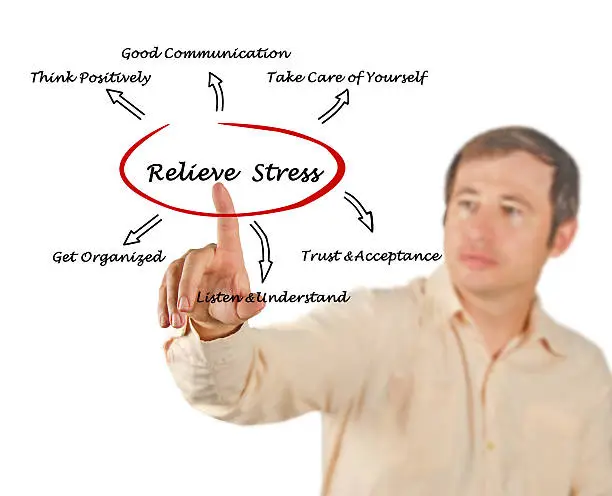
Good news? In this article, we’ll explore six simple, science-backed health ways to naturally reduce stress and become a stronger, more grounded version of yourself. No perfection required – just real, actionable steps towards feeling like yourself again.
Table of Contents
1. Move Your Body: The Power of Exercise for Mental Health
When stress plagues you, the idea of working out can seem as appealing as doing laundry at midnight – completely uninteresting. And that’s perfectly fine. But here’s a gentle truth: Even the smallest movement can be a lifeline when you’re feeling overwhelmed.
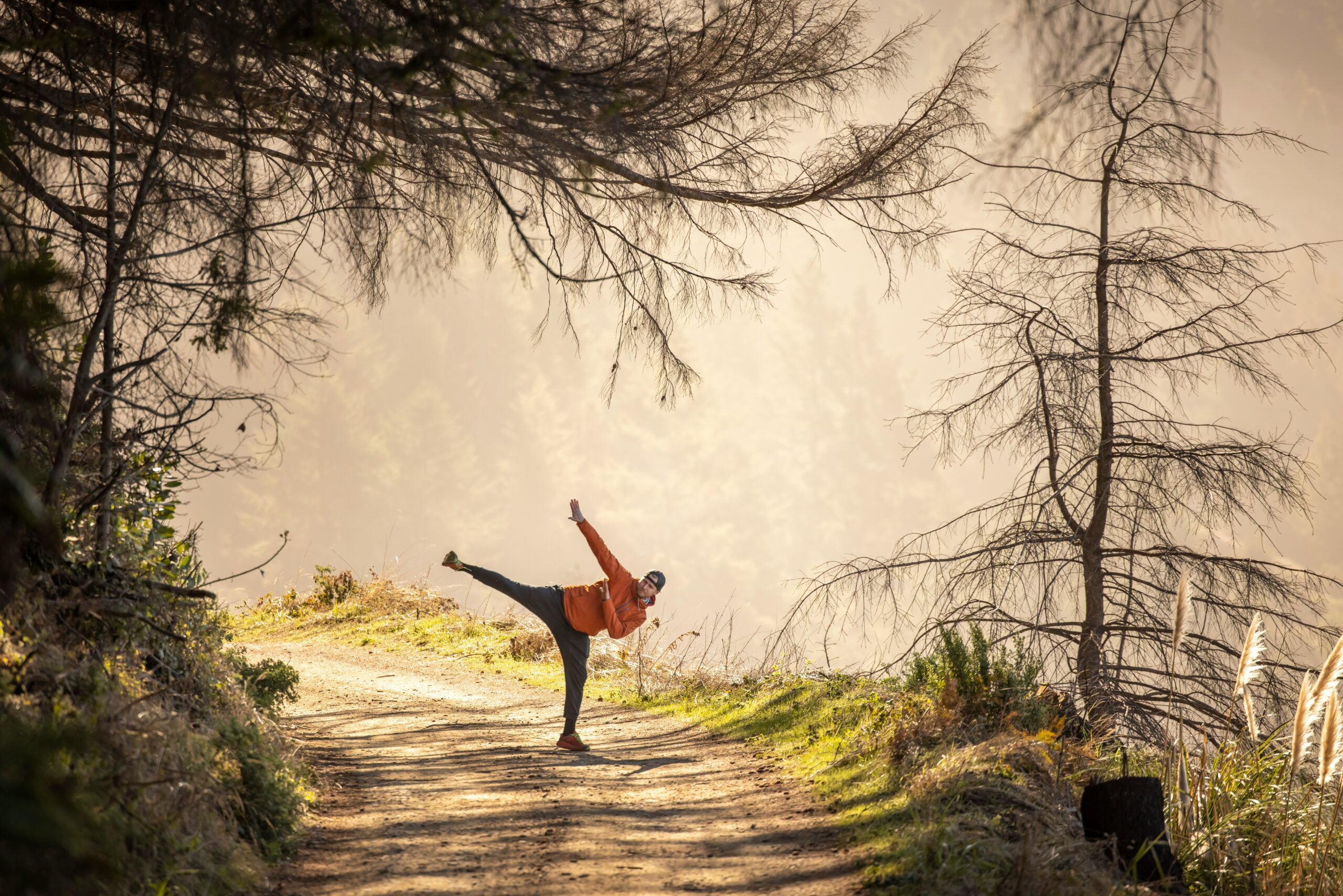
You don’t need a gym membership, fancy equipment, or a 10K training plan. Seriously – just taking a 30-minute walk around your neighborhood, playing your favorite song and dancing like nobody’s watching in your kitchen, running on a bike without a goal, or taking a few slow swims in the pool can transform how you feel. Why? Because movement tells your body to release endorphins – the natural feel-good chemicals that reduce stress and boost your mood. The “runner’s high” that everyone is talking about? It’s not just for runners. It’s for anyone who wants to move in a way that feels good.
2. Nourish to Flourish: How Diet Impacts Stress Levels

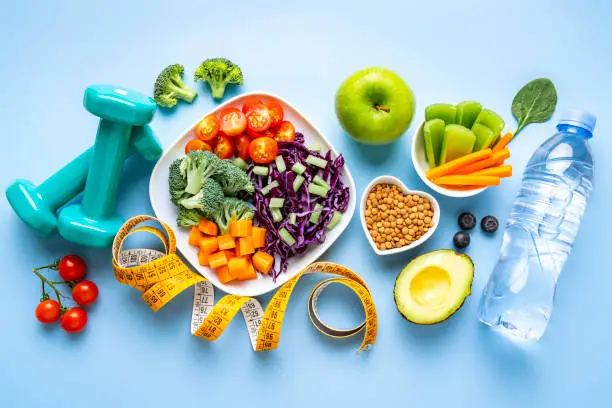
Foods like oats, brown rice, sweet potatoes, and leafy greens do more than just give you energy—they help your brain make serotonin, the gentle, calming chemical that helps you feel safe and calm. Omega-3 from salmon, linseed, or walnuts reduces stress hormones. And magnesium—the unsung hero of spinach, almonds, and pumpkin seeds—acts as a soothing whisper to your nervous system: “It’s OK. You can relax.”
and water? Don’t underestimate it. Even a little dehydration can cause your stress hormone (cortisol) to skyrocket. So having a glass or bottle nearby isn’t just hydration—it’s one of the easiest and kindest things you can do for yourself throughout the day.
Instead of looking at food as another chore, try thinking of it as little love notes to your future self. Every bite of real, nutritious food is a quiet act of resilience – helping you face the chaos with a little more peace, clarity, and care. And that? This doesn’t just mean good food. It’s true, everyday self-love.
3. The Art of Stillness: Mindfulness and Meditation
In a world health that never seems to stop – with pings, notifications, to-do lists, and endless scrolling – it can seem almost radical to just stop and turn your attention inward. But the small act of peace? It is one of the kindest things you can do for your body and mind.
And the best part? You don’t have to make it “perfect”. There are plenty of gentle, beginner-friendly apps and guided meditations out there (many of them free!) that meet you right where you are. It only takes a few minutes to get off the treadmill for your mind and give your nervous system a chance to breathe.
In a life that often feels like it’s going too fast, creating a small pocket of peace isn’t indulgent – it’s important. This is how you get back to yourself.
4. The Restorative Power of Sleep for Overall Health
Aiming for a solid 7 to 9 hours of sleep isn’t a luxury—it’s a foundation. And you don’t need a complete makeover to get there. Start small: Go to bed and wake up at roughly the same time every day (yes, even on weekends, as much as possible). Finish with a calming ritual – perhaps a warm bath, a few pages of an actual book (not a screen!), or some stretching. Turn your bedroom into a true relaxation space: cool, dark, quiet, and stored only for rest and connection – not for rolling, not for work, not for problem solving.
And try to turn off screens at least an hour before bed. The blue light tricks your brain into thinking it’s still daytime, making it harder to walk away from it.
When you are well rested, everything feels a little easier. You are more patient, cleare,r and better able to handle the challenges that arise in life. So think of good sleep not as another item on your to-do list, but as a daily health act of self-reliance—one that quietly promotes all the things you care about.
5. Connect and Communicate: The Role of Social Health
We are wired for connection – it’s in our bones. Even the strongest among us are not meant to carry the burden of life alone. The most powerful antidote to stress is actually not found in a bottle or an app, but in the presence of someone who really sees and listens to us.
When stress mounts, it’s easy to turn away – cancel plans, ignore messages, hide under the curtains, and hope no one notices. But isolation often makes things feel overwhelming. What really helps? access. Even when it seems difficult. Sharing your feelings with a trusted friend or family member—face to face, voice to voice—can calm your nervous system in ways you might not expect. You don’t need them to fix anything. Sometimes, just saying it out loud and feeling truly health makes the burden feel lighter.
6. Harness Nature’s Calm: The Great Outdoors and Your Health
You’ve probably experienced it yourself: that sense of peace that comes over you as you stroll through a lush park, sit by a quiet pond, or even tend to some potted plants on your balcony. It’s not just in your head—the science backs it up. Spending time in nature has been shown to reduce stress hormones such as cortisol, reduce muscle tension, and soften anxiety thresholds. In Japan, they also call it shinrin-yoku, or “forest bathing” – not about exercise, but about being present among trees and fresh air.
And the best part? You don’t need hours or special equipment. Ten minutes on a bench under a big sky, a walk around the block with your eyes open and watching the birds and the wind, or digging your hands into the soil while gardening – it all counts. Nature provides a rare form of peace in our noisy, screen-filled lives. It invites you to slow down, catch up, and reconnect with something bigger than your to-do list.
7. Conclusion: Your Journey to Sustainable Health
The six methods described here—exercise, nutrition, mindfulness, sleep, social connections, and time in nature—are powerful, accessible, and synergistic. They work together to support your physical, mental, and emotional health.
start small. You don’t have to make radical changes in your life overnight. Choose a strategy that suits you and practice it consistently. Maybe you commit to a 10-minute walk every day or decide to turn off your phone an hour before bed. Every positive choice you make is a step towards a calmer, healthier you. By controlling your stress naturally, you are making a lasting investment in your most valuable asset: your health.
1. How quickly can natural stress-relief techniques work?
Many techniques—like deep breathing, mindful walking, or listening to calming music—can bring relief in just 5 to 10 minutes. Consistency over time enhances long-term benefits.
2. Can diet really affect stress levels?
Yes! Foods rich in omega-3s (like salmon), magnesium (like spinach), and antioxidants (like berries) support brain health and help regulate stress hormones like cortisol.
3. Is exercise necessary to reduce stress naturally?
While not the only method, regular physical activity is highly effective—it releases endorphins, improves sleep, and lowers stress hormones. Even a 20-minute walk counts!